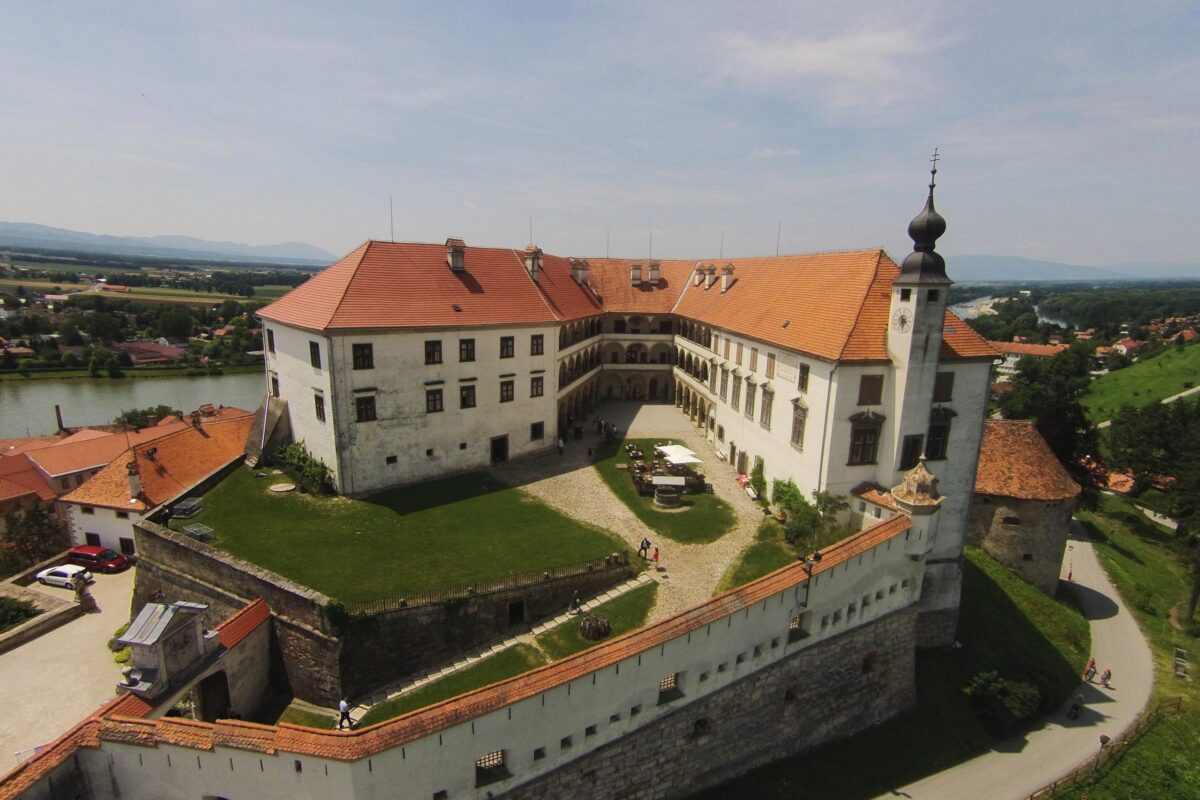
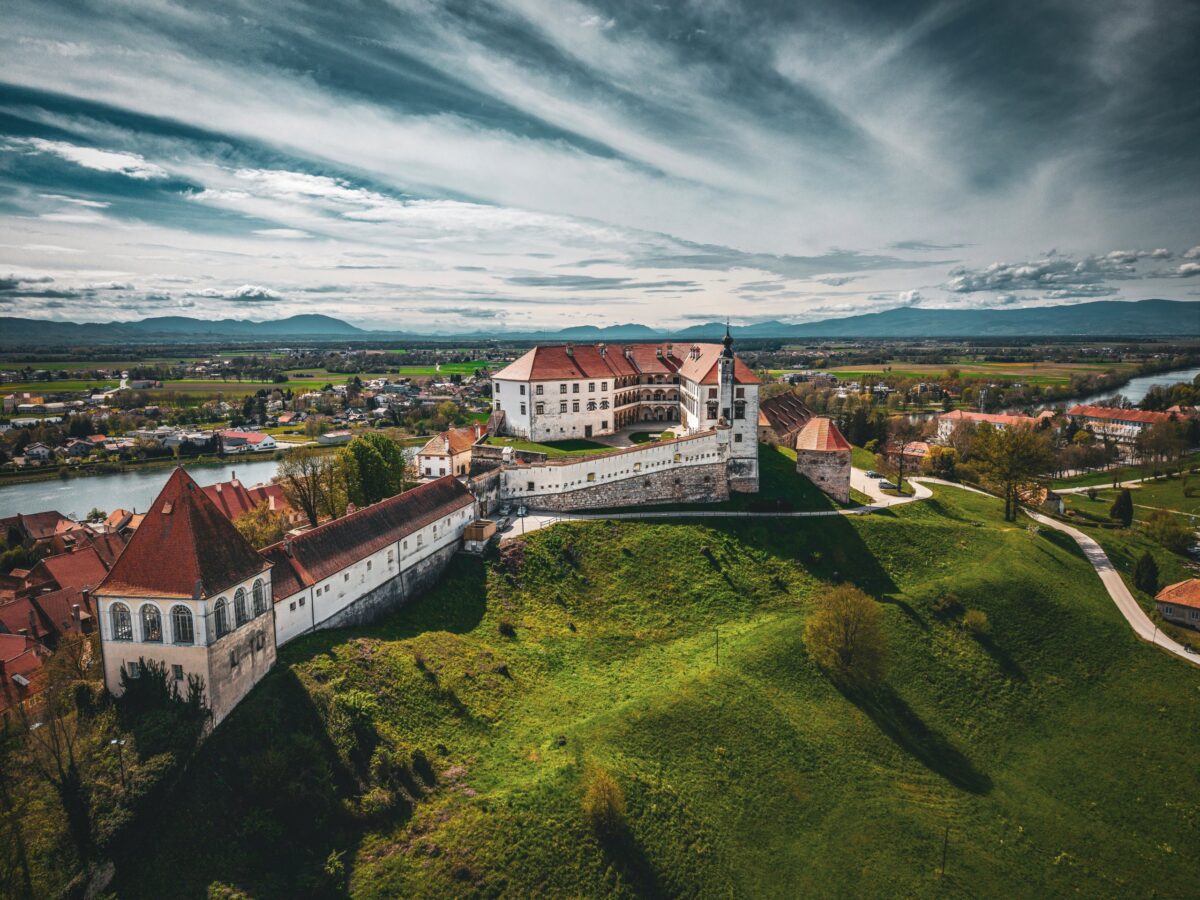
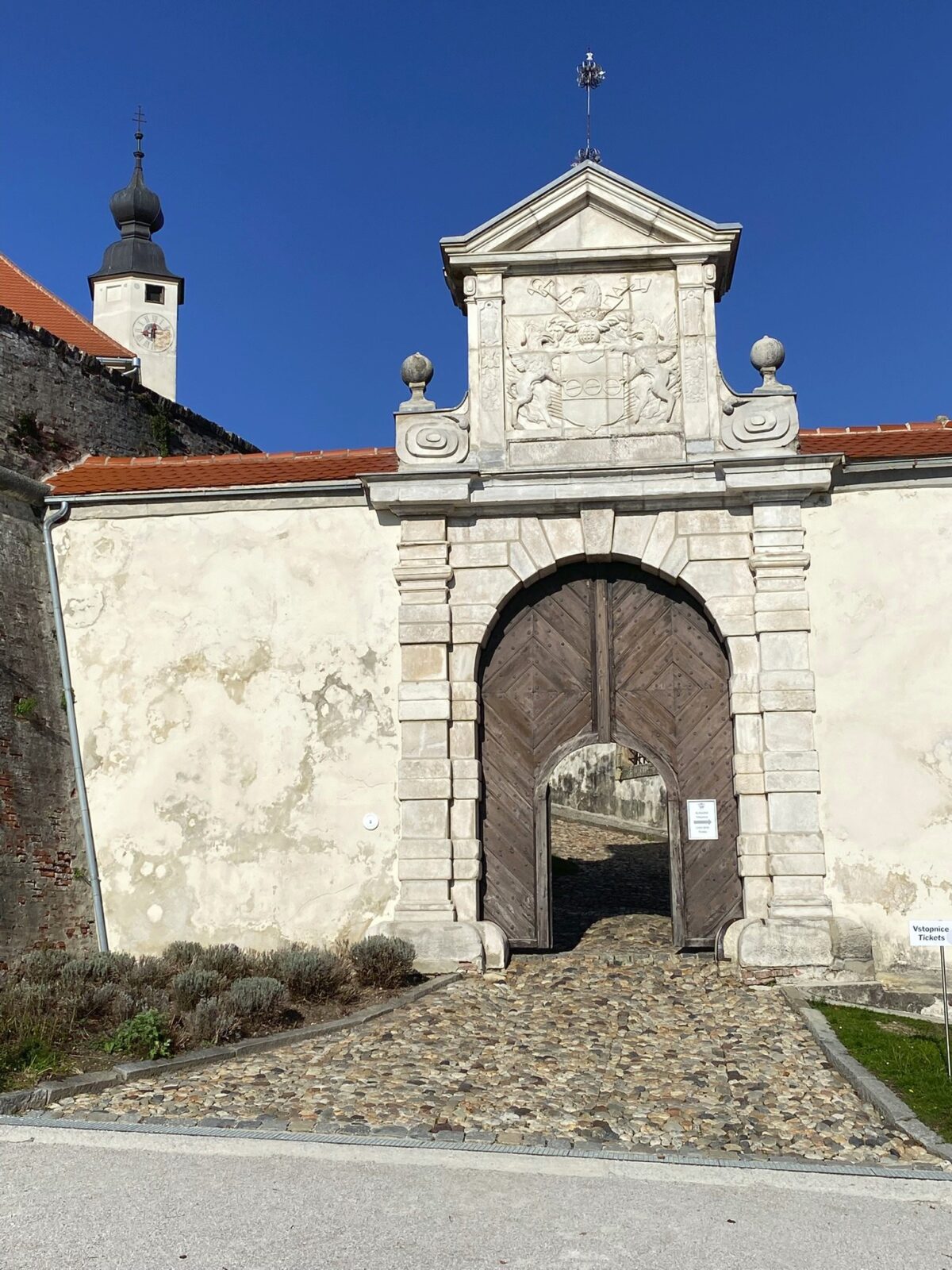
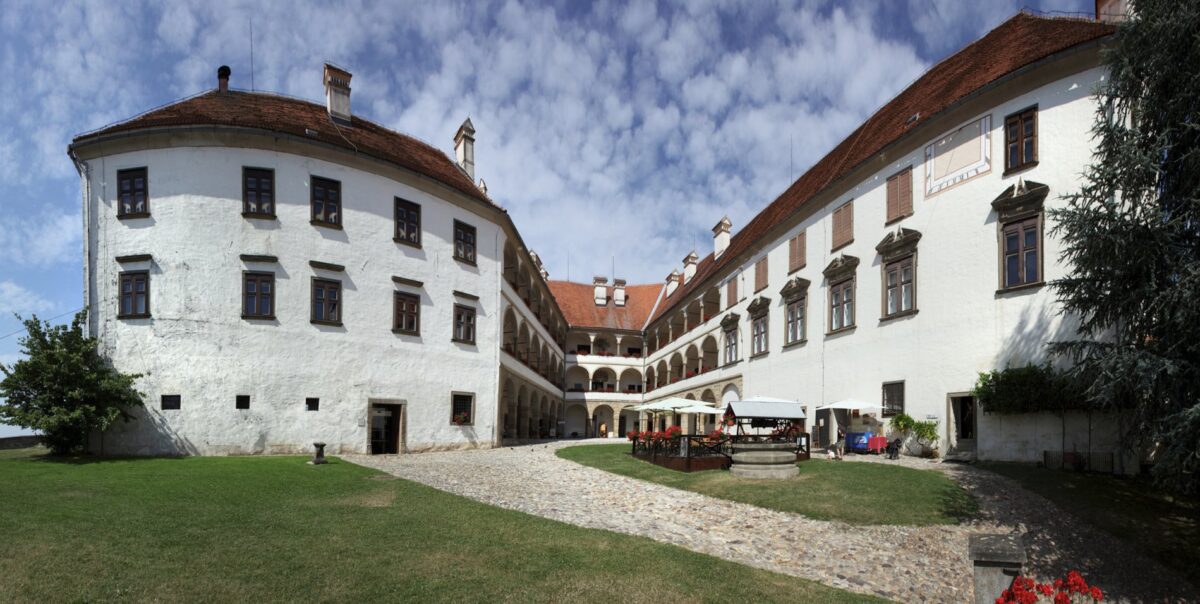
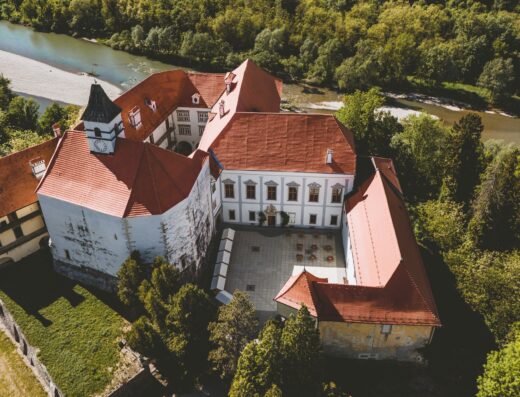
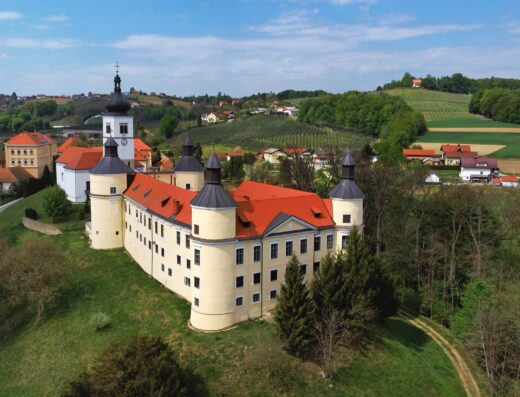
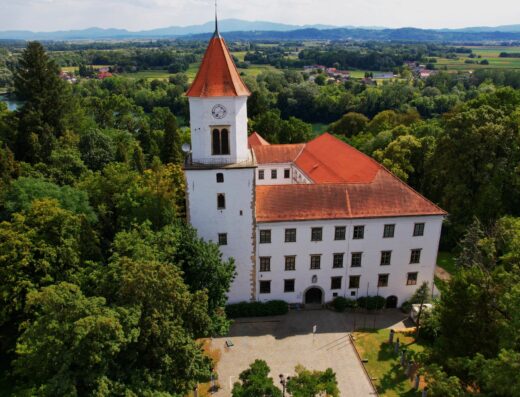
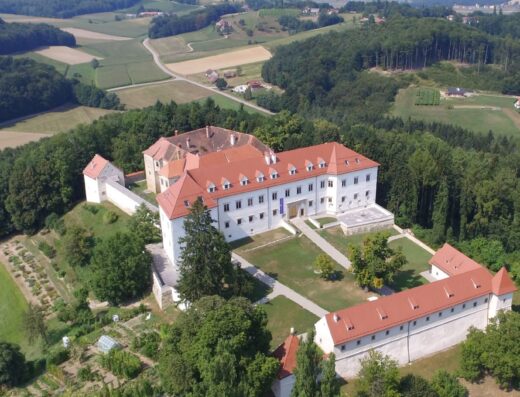
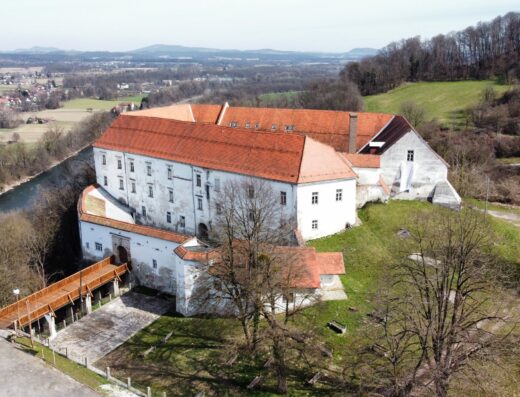
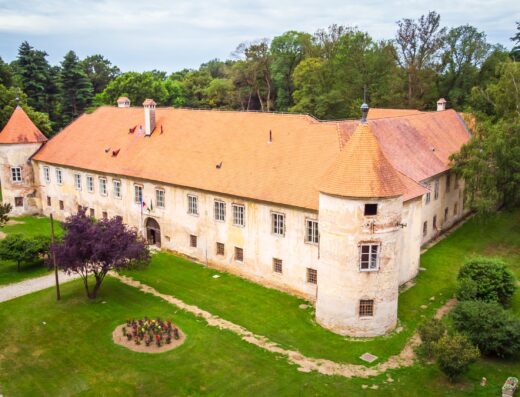
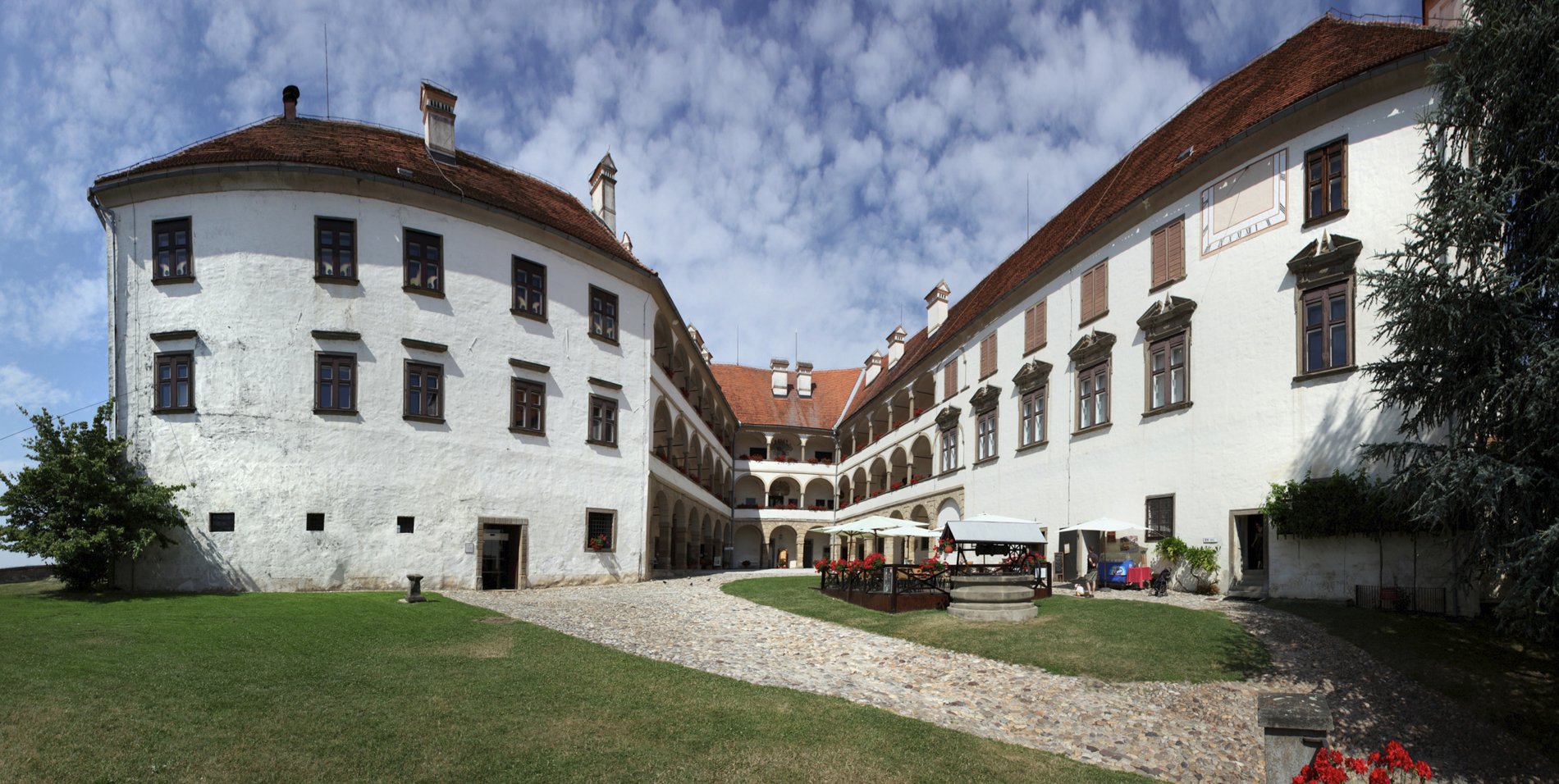
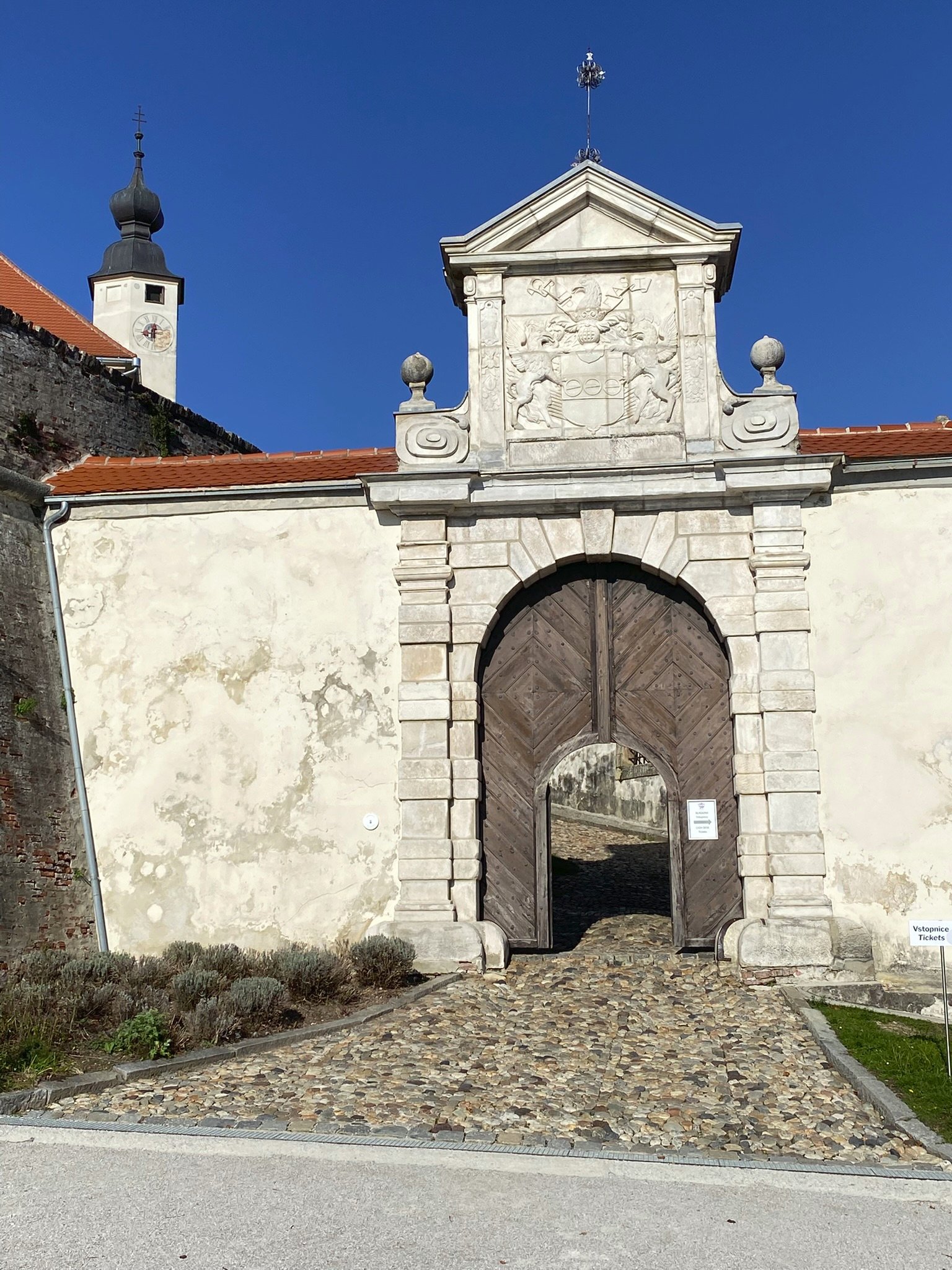
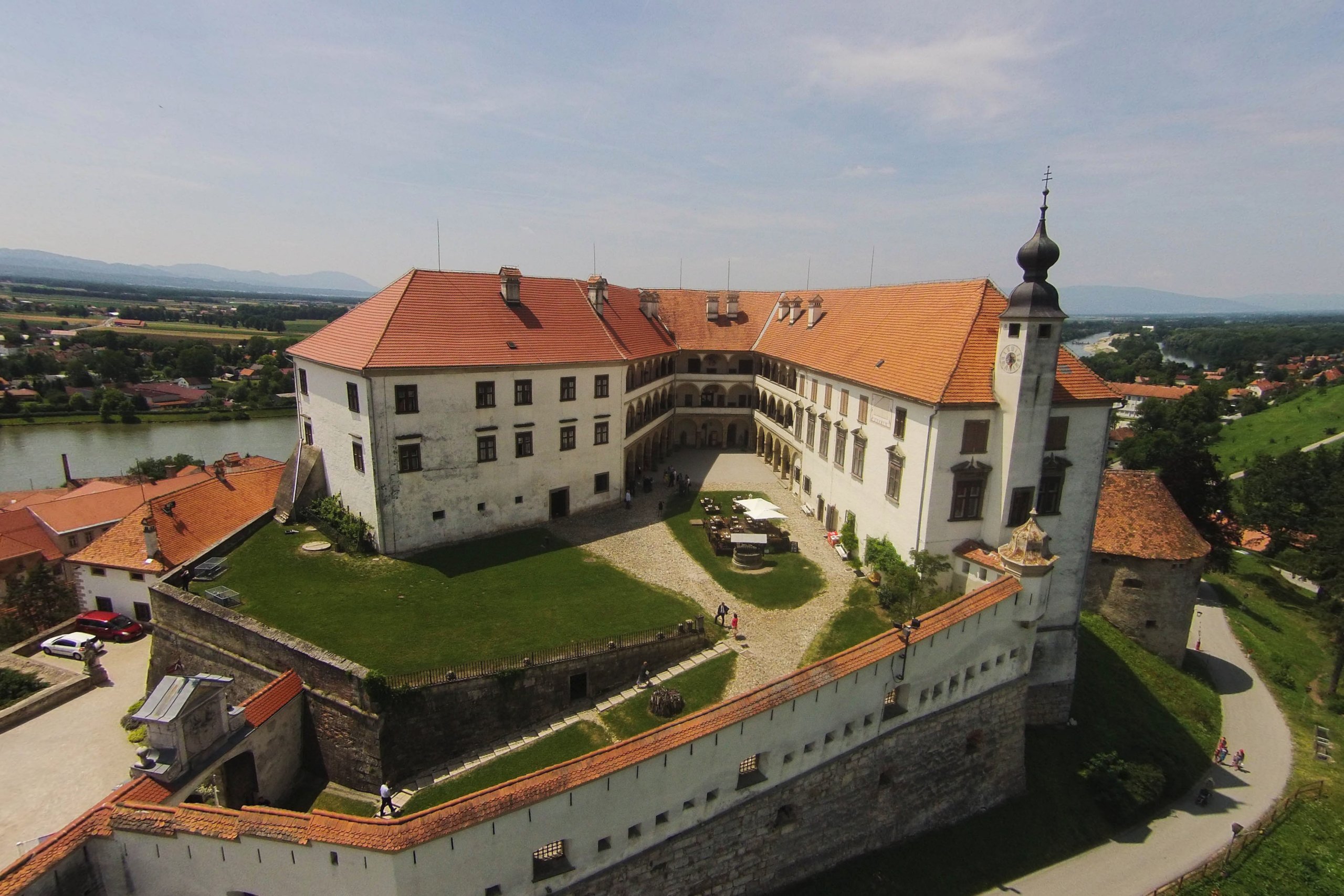
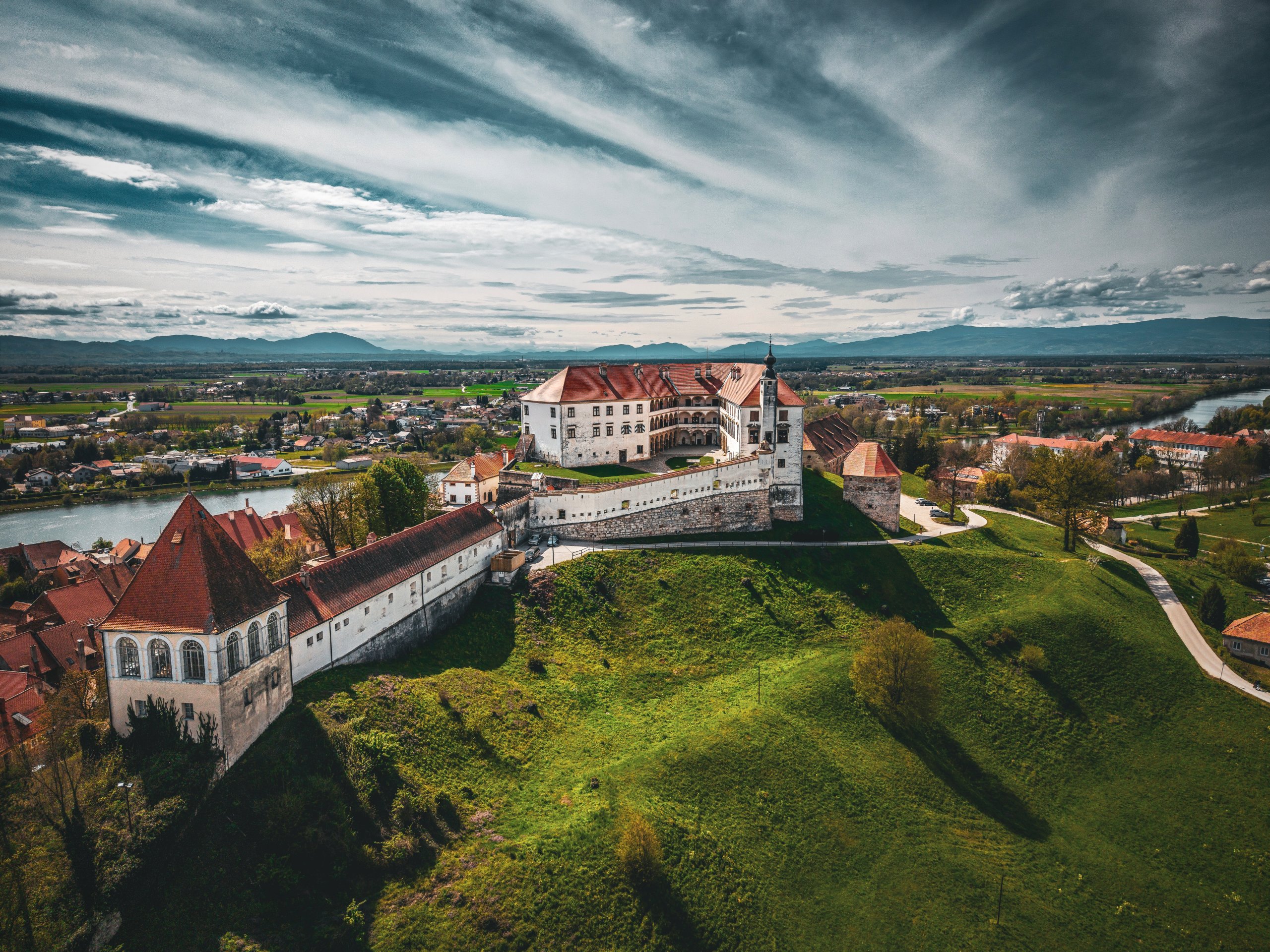
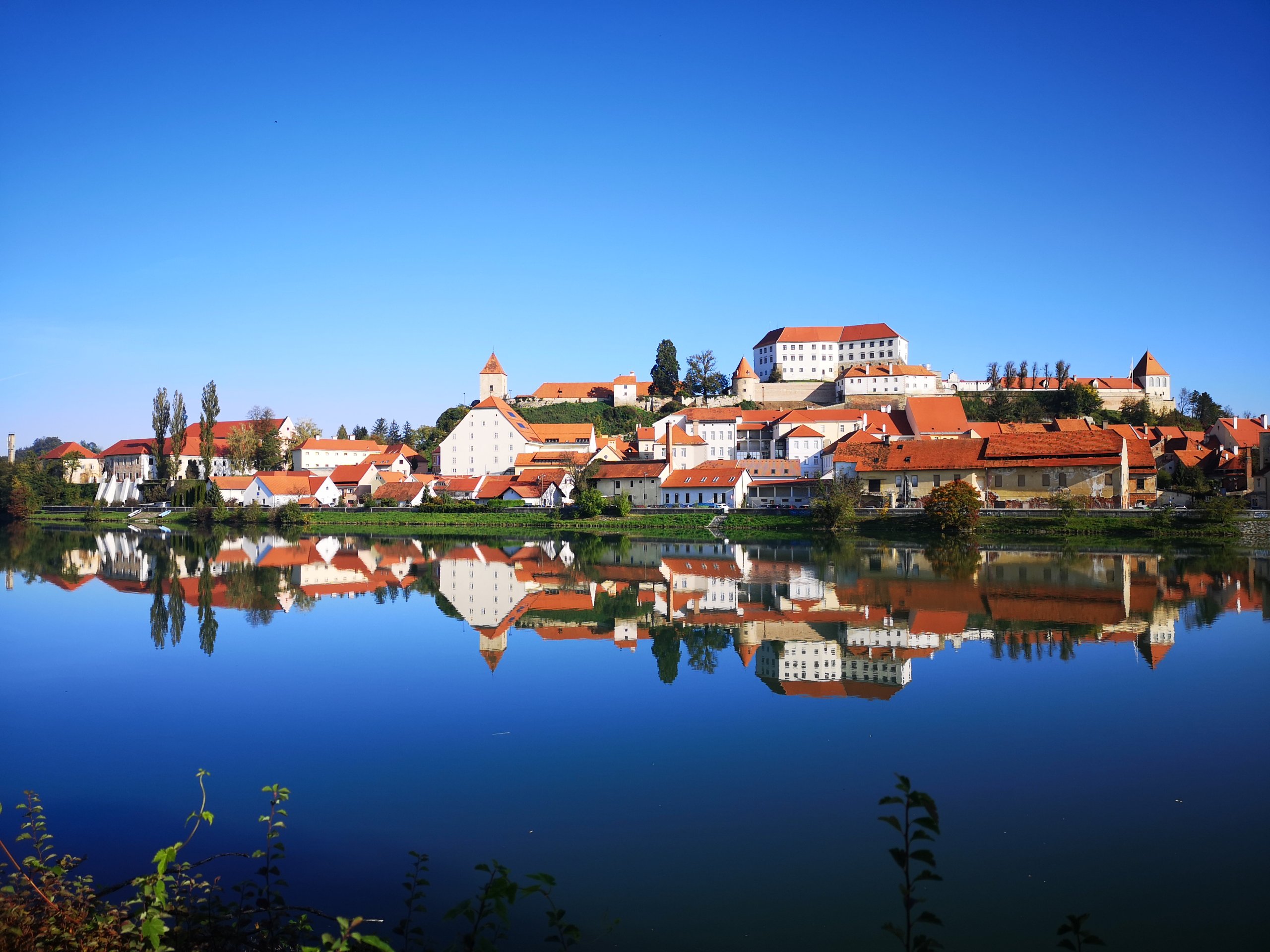
On a hill above the River Drava, at the crossroads of ancient routes, stands the mighty Ptuj Castle. In this strategic position, it has successfully withstood the storms of time for centuries.
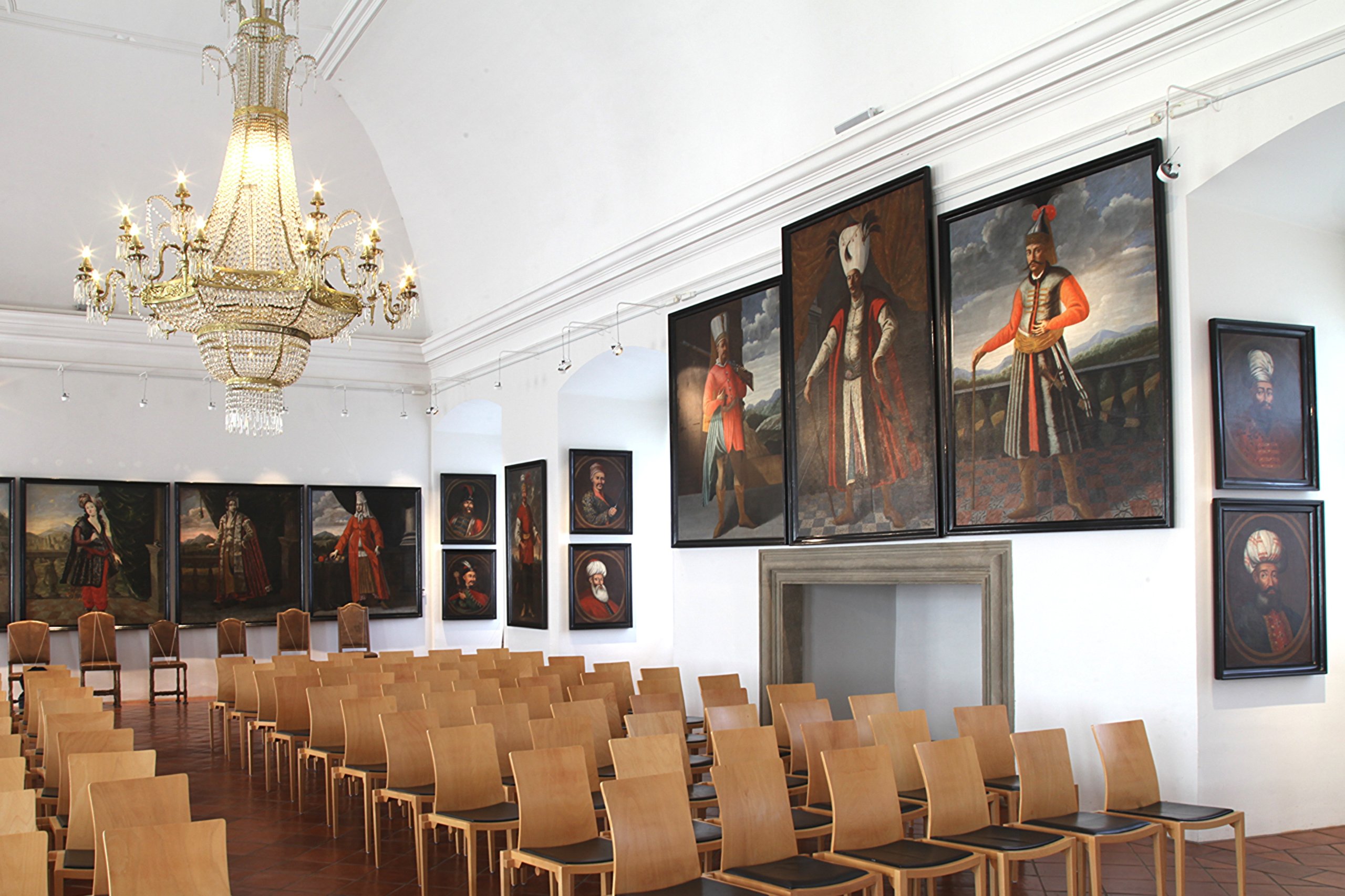
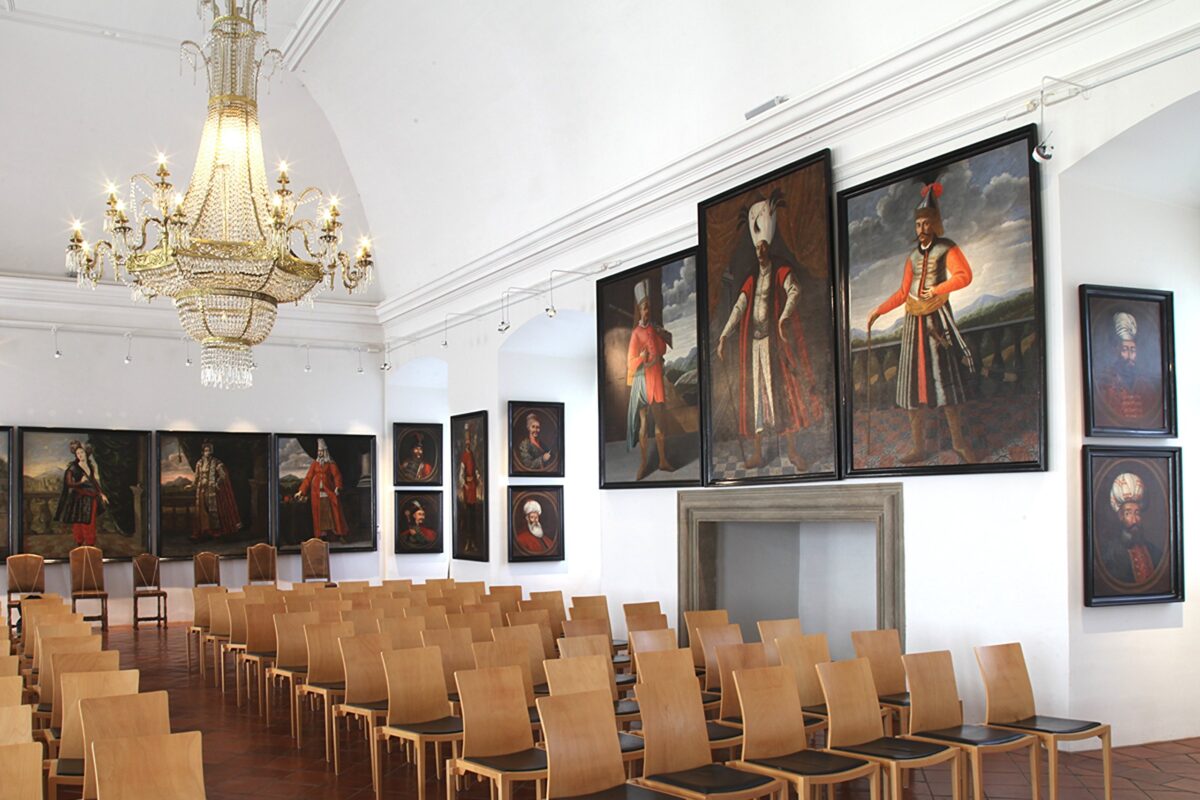
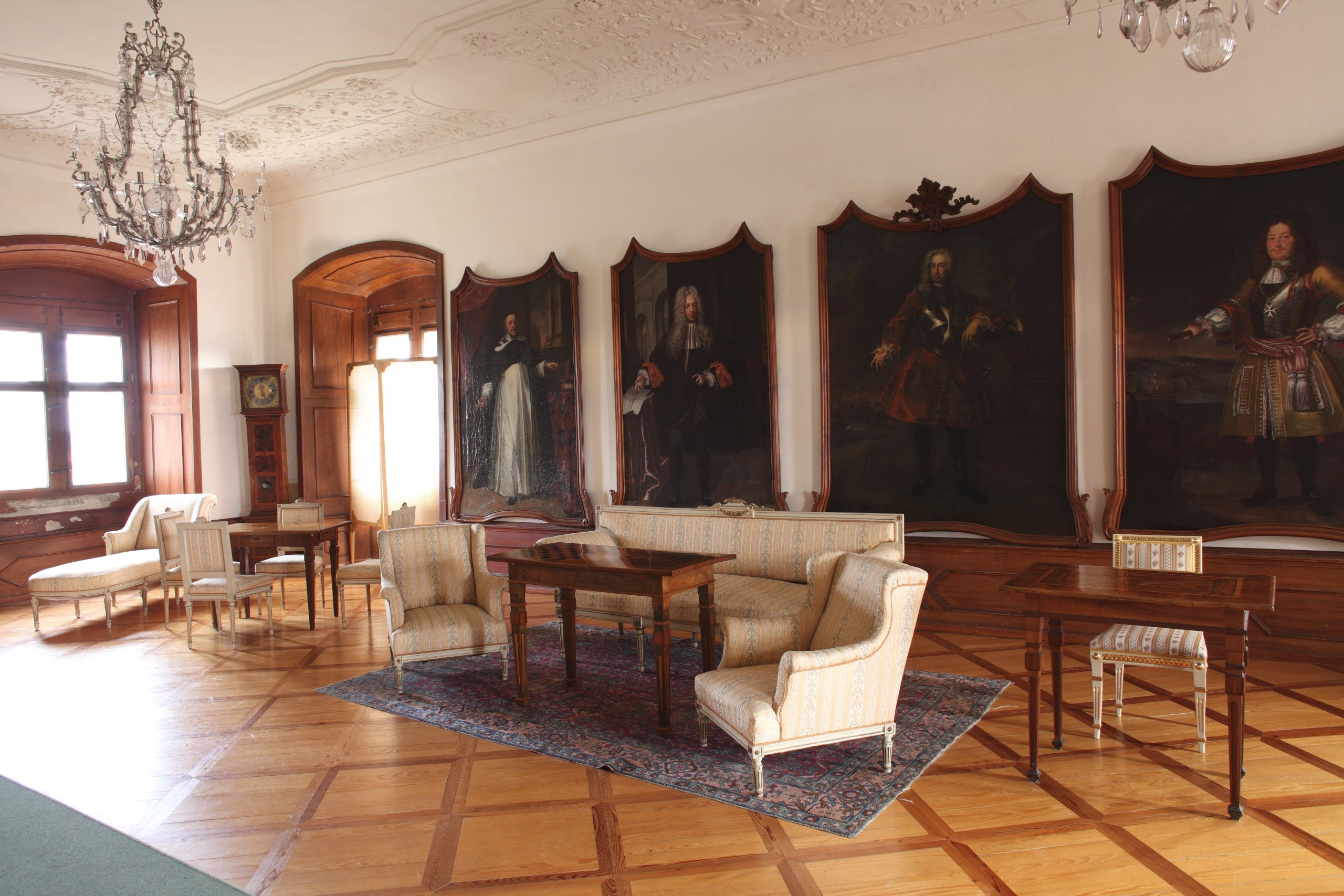
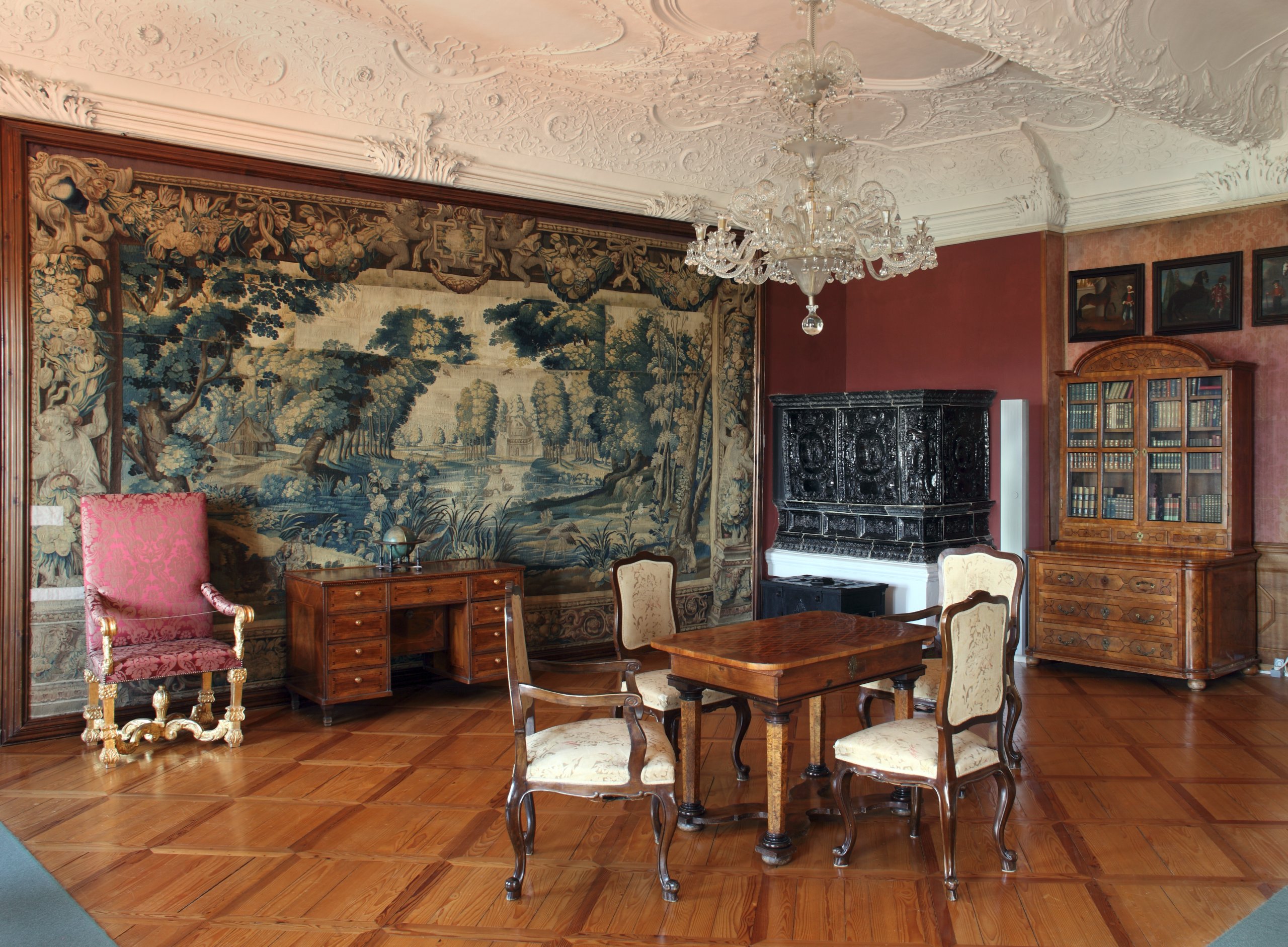
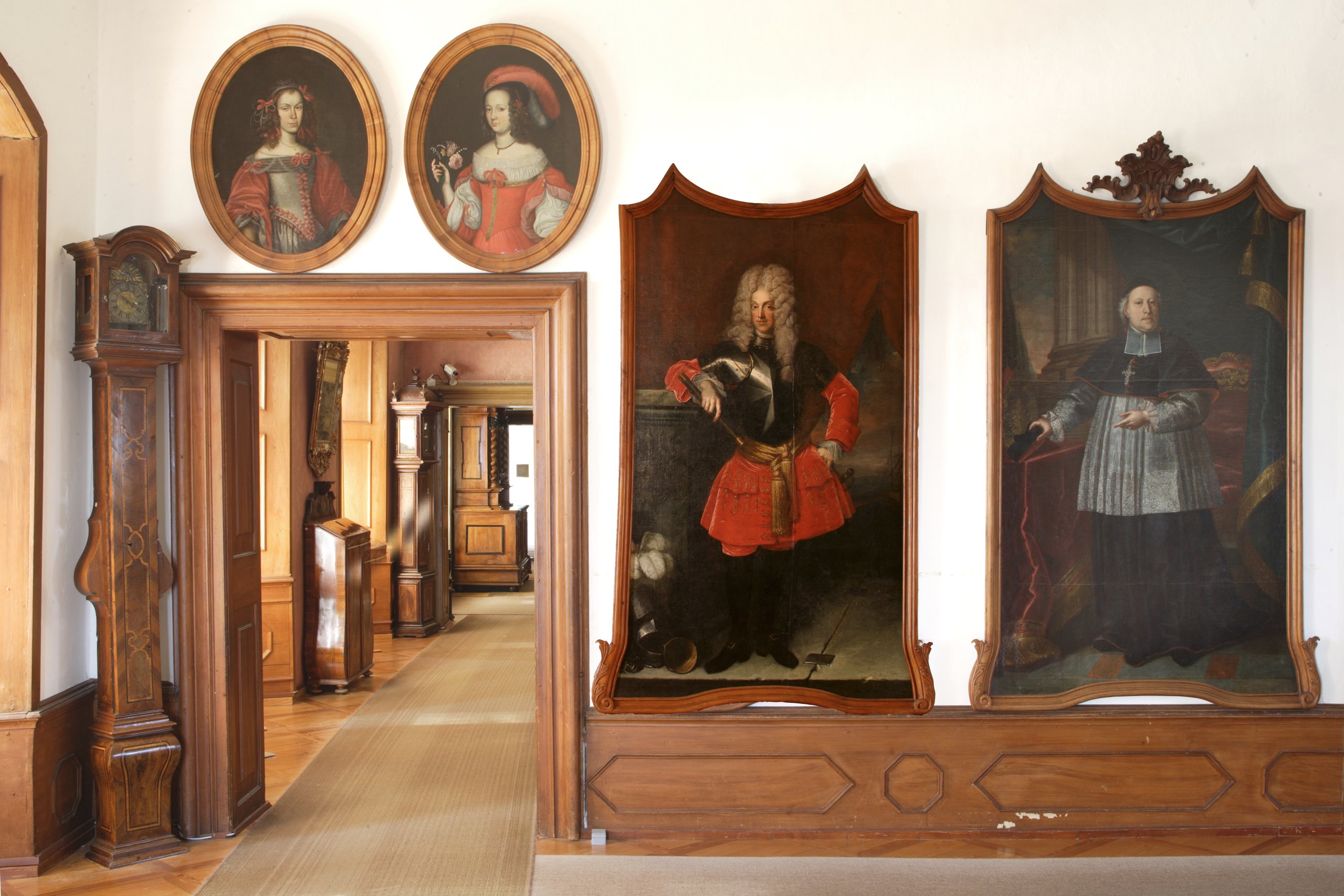
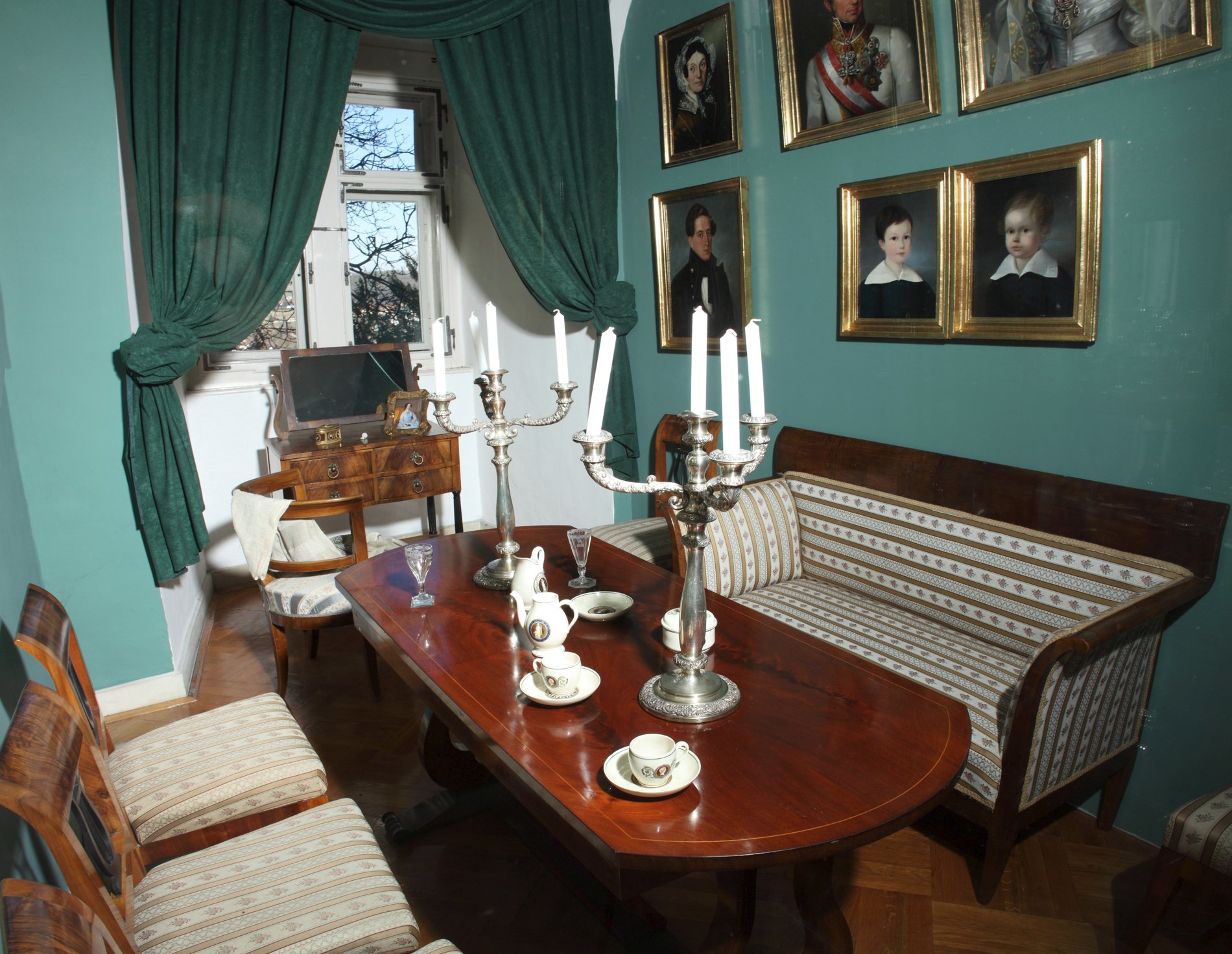
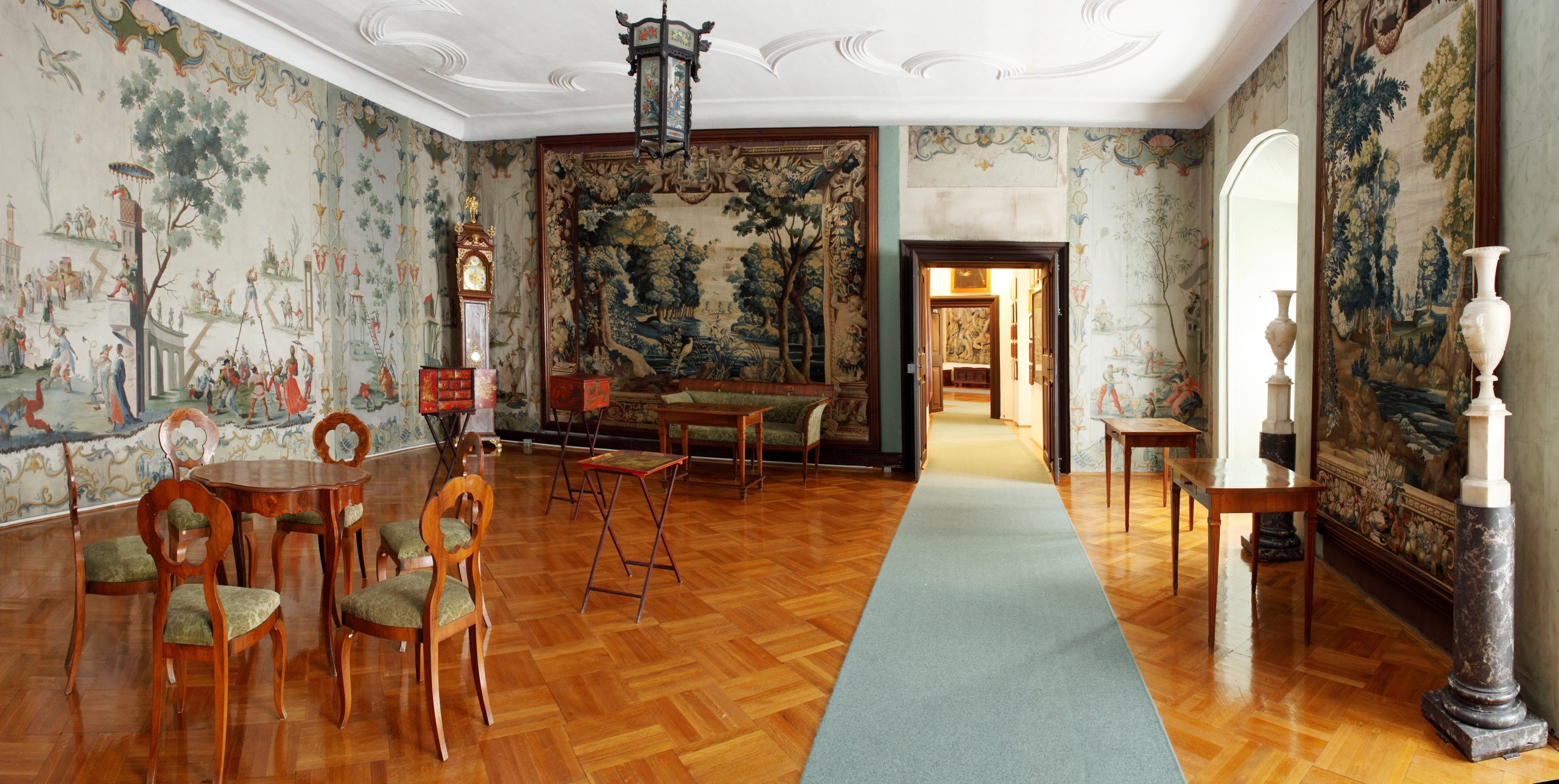
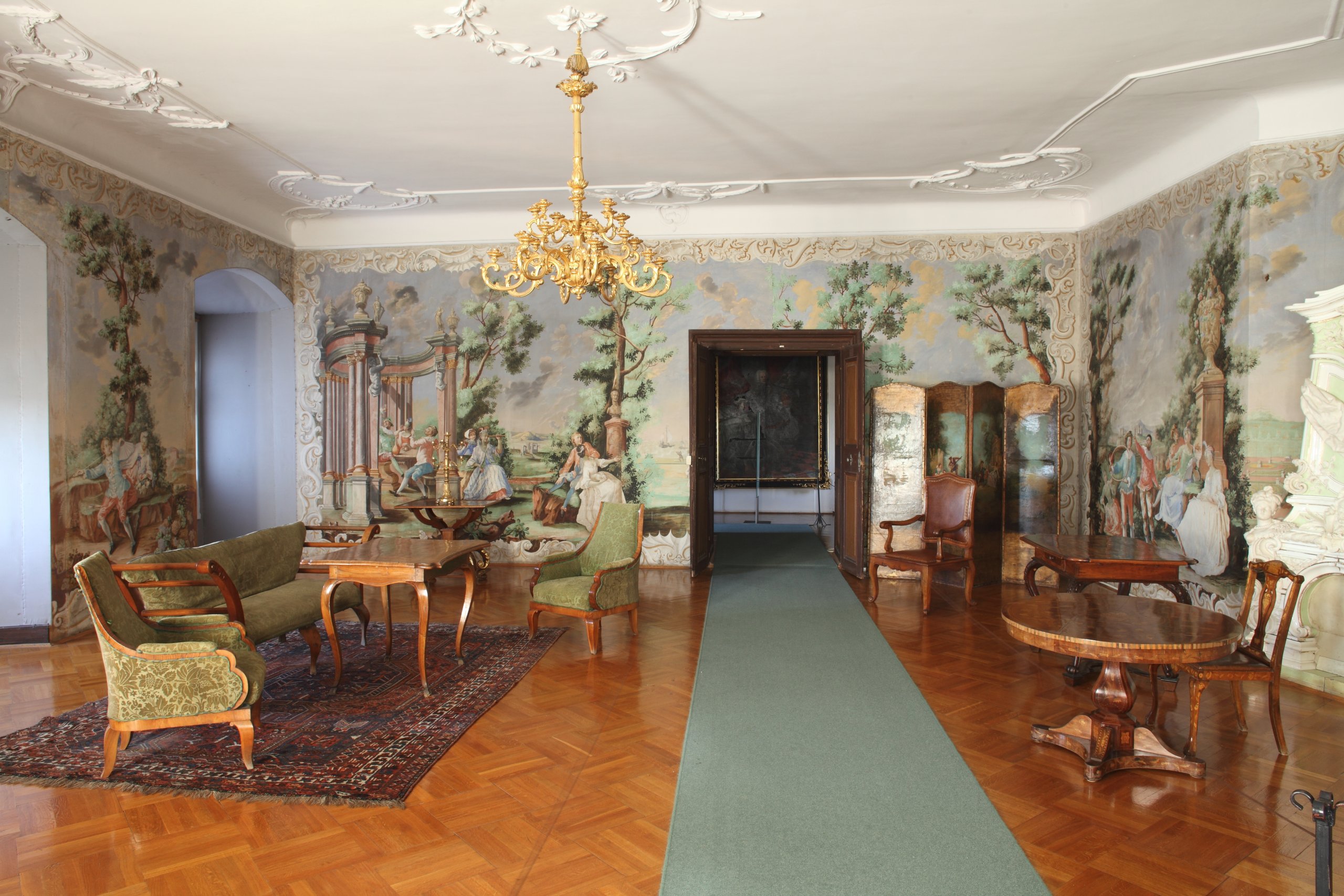
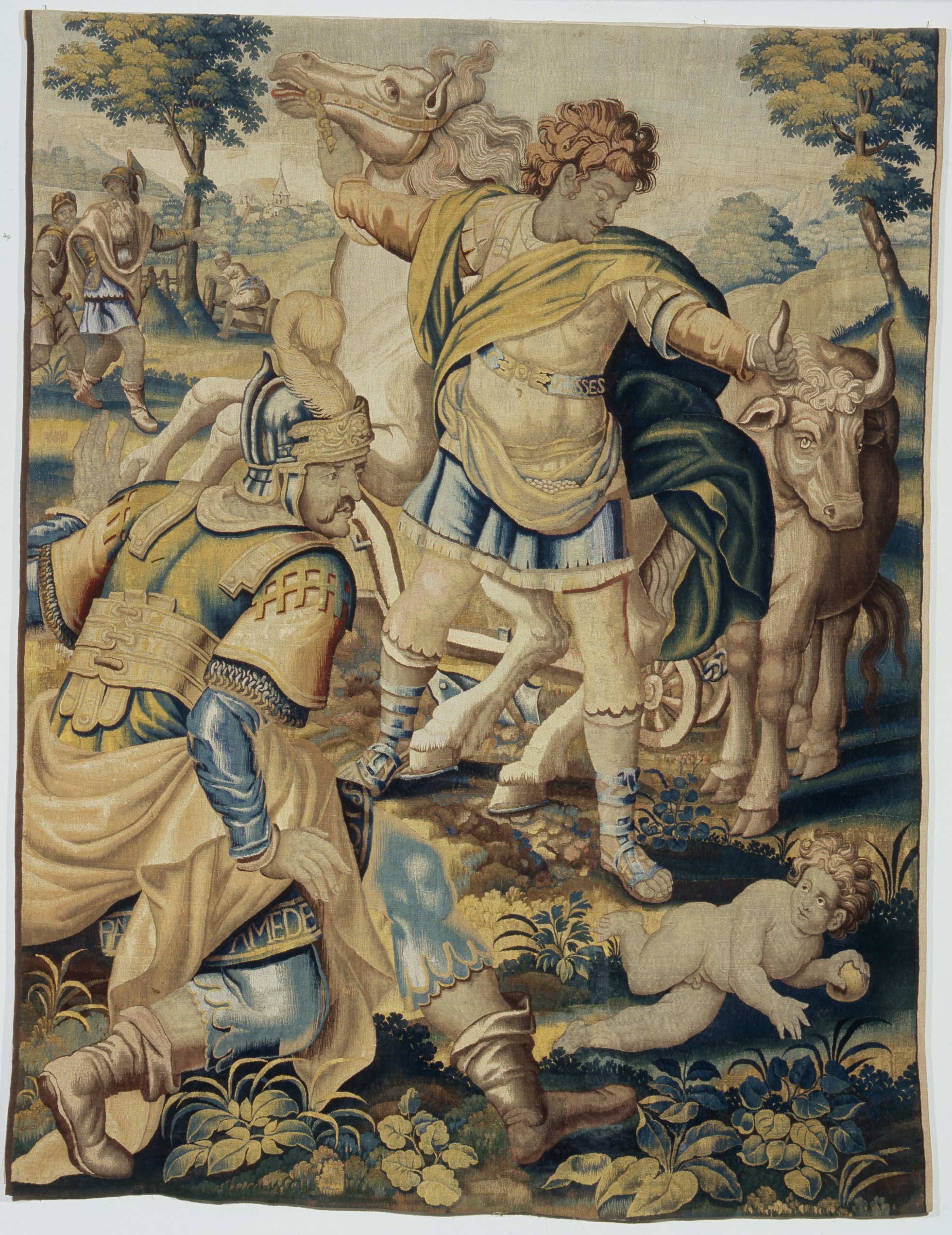
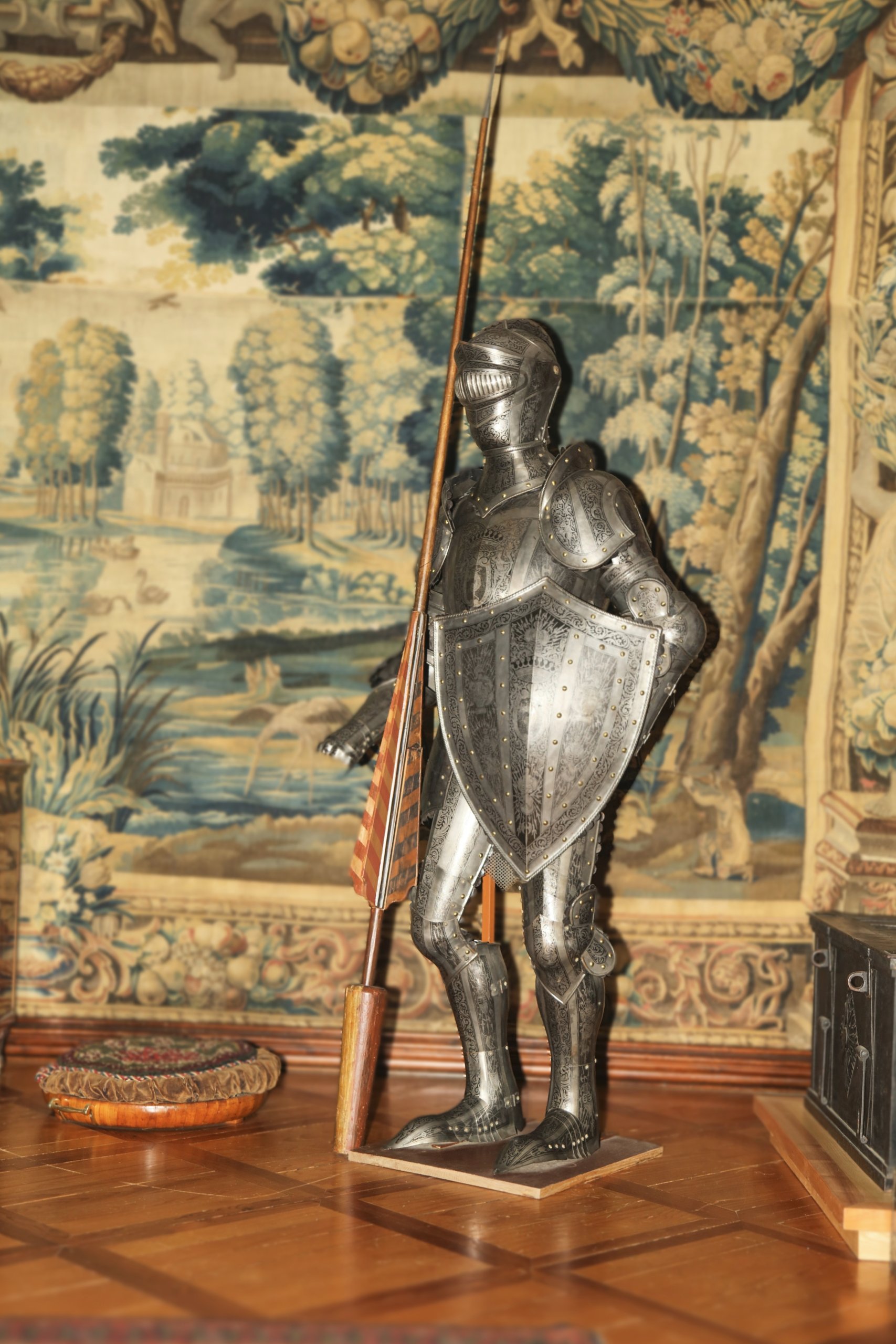
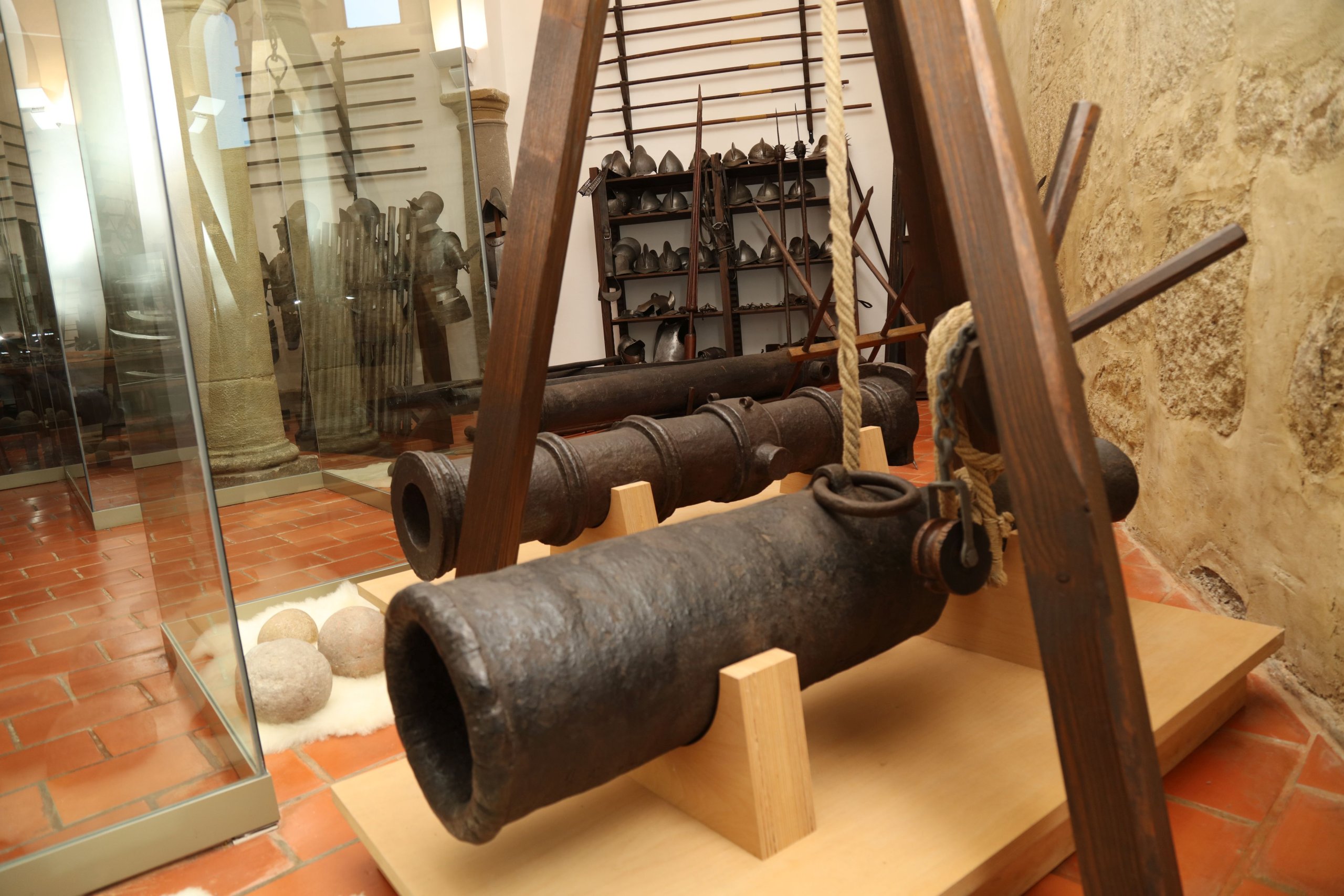
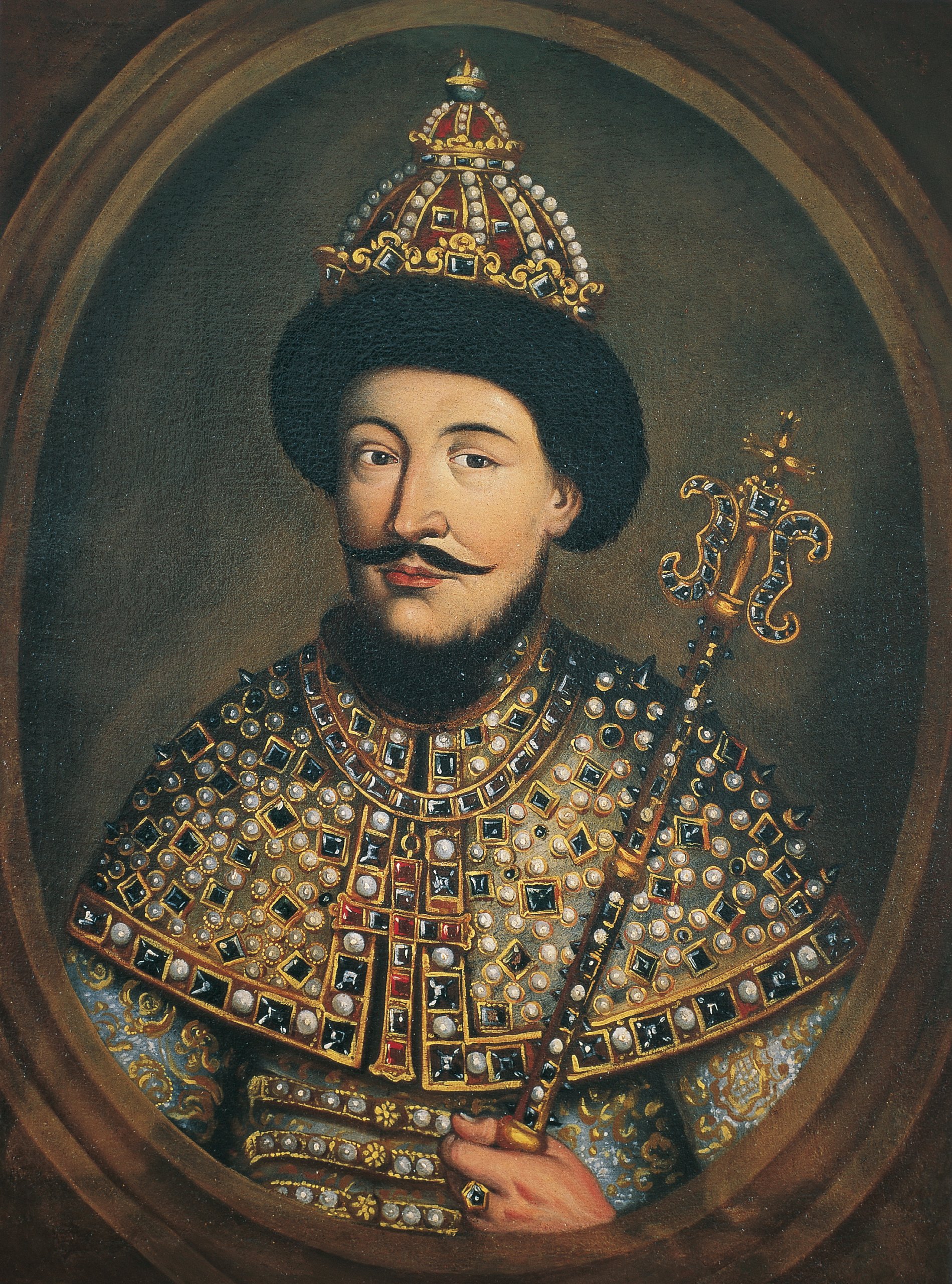
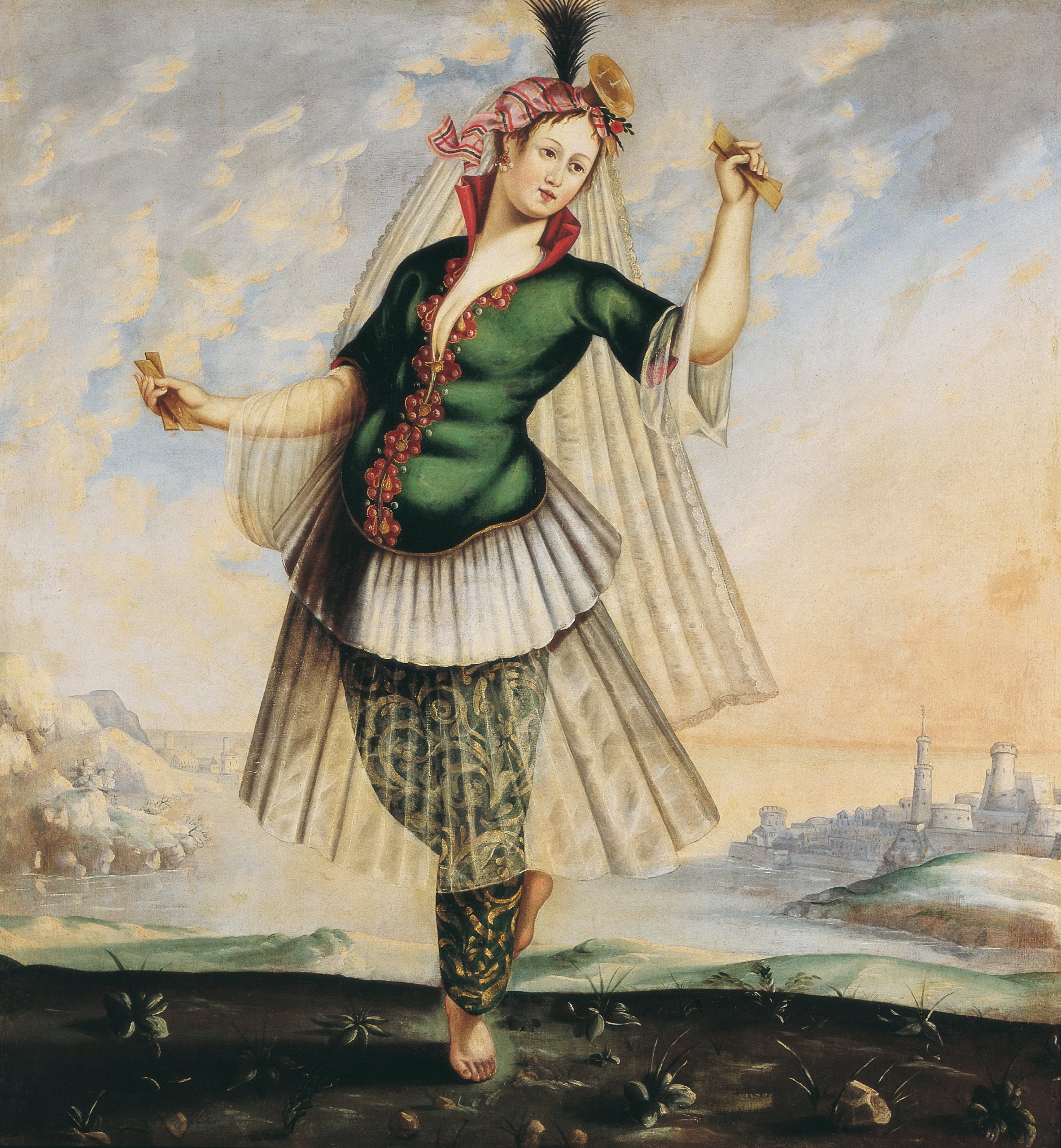
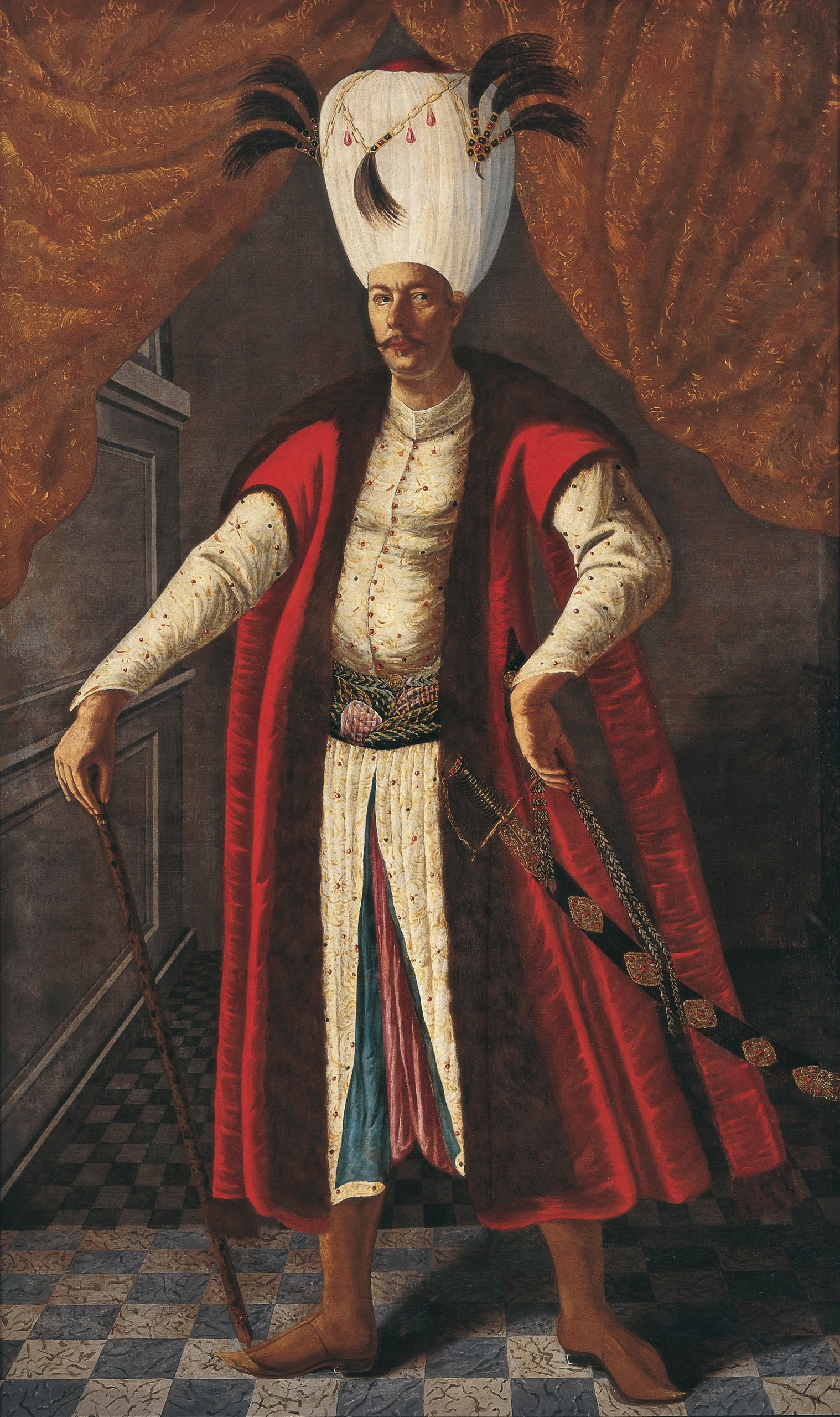
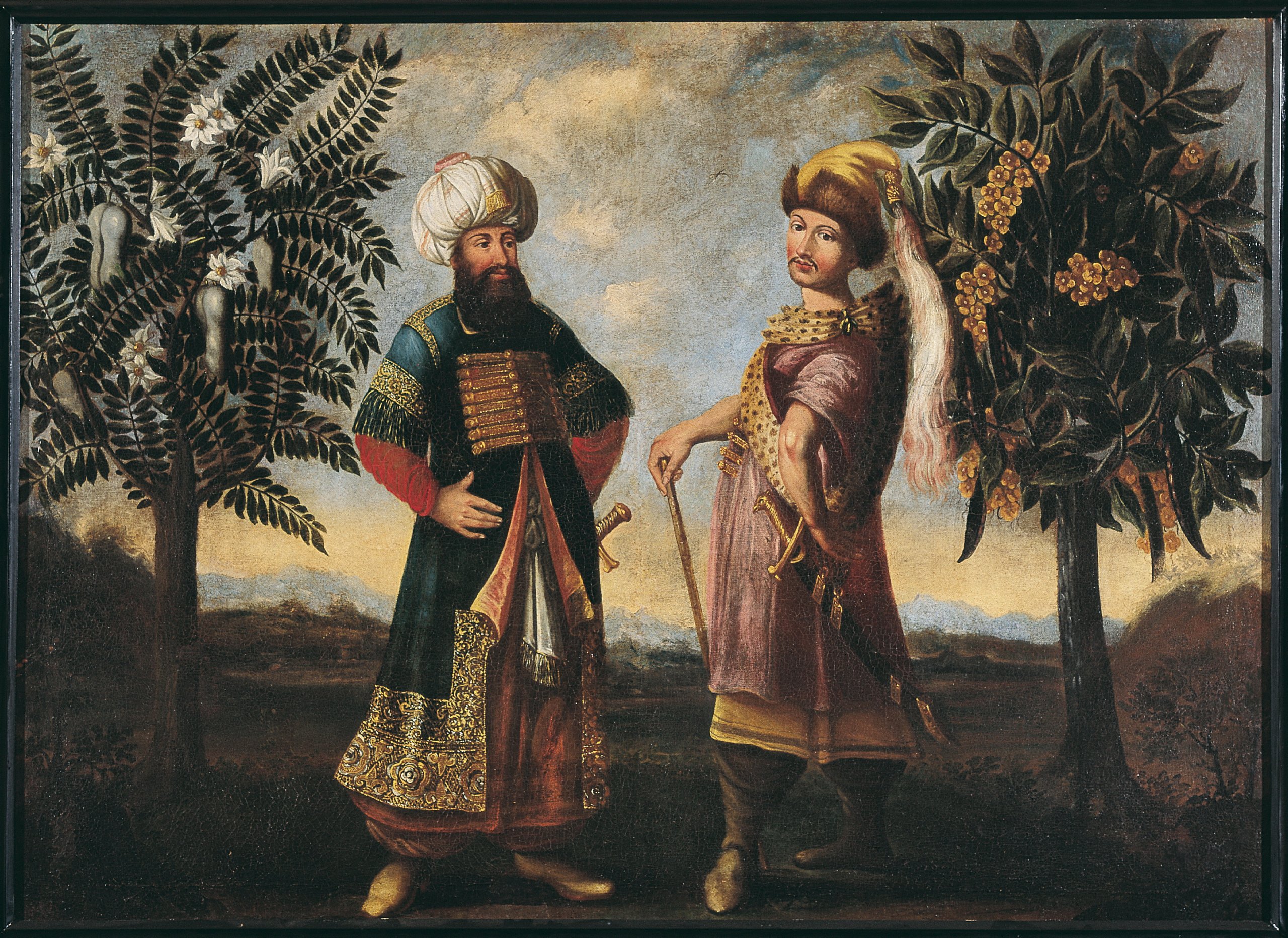
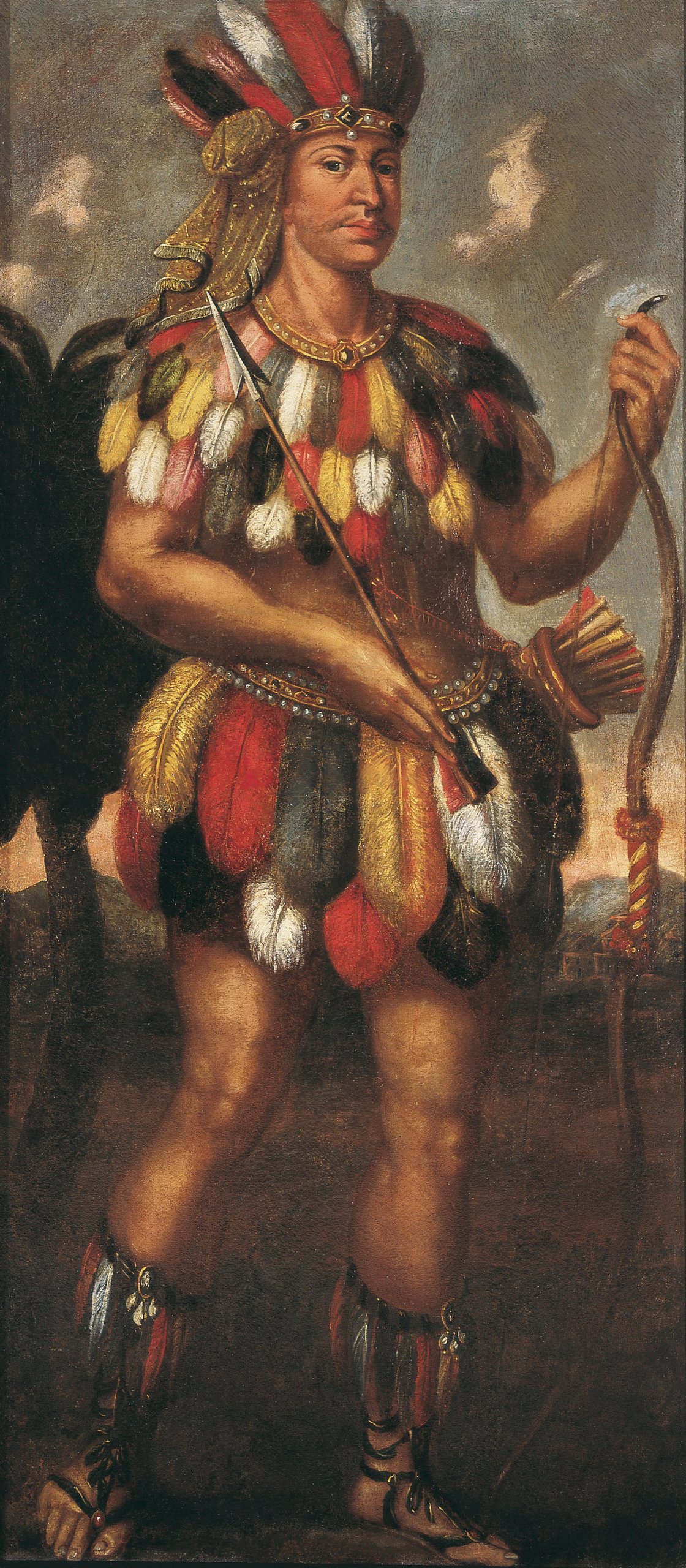
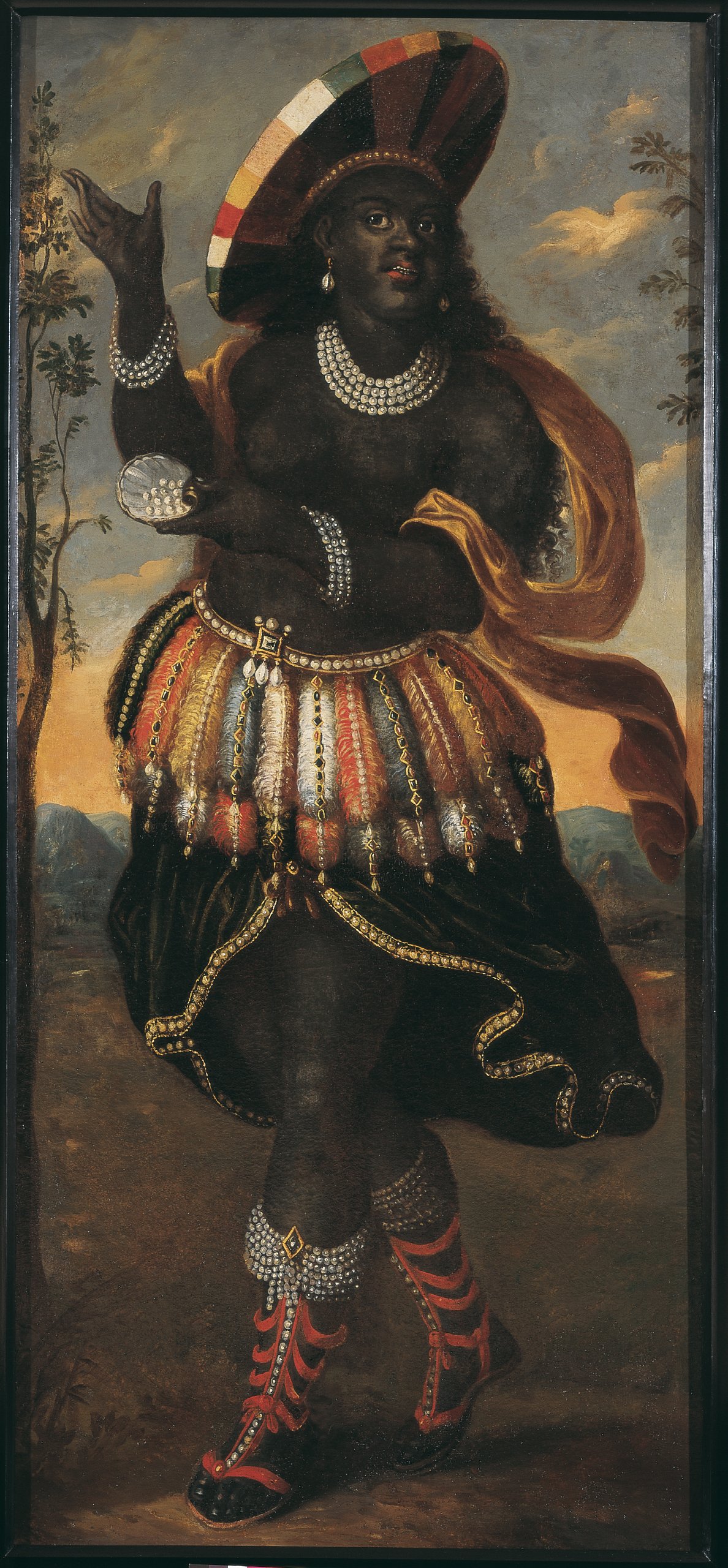
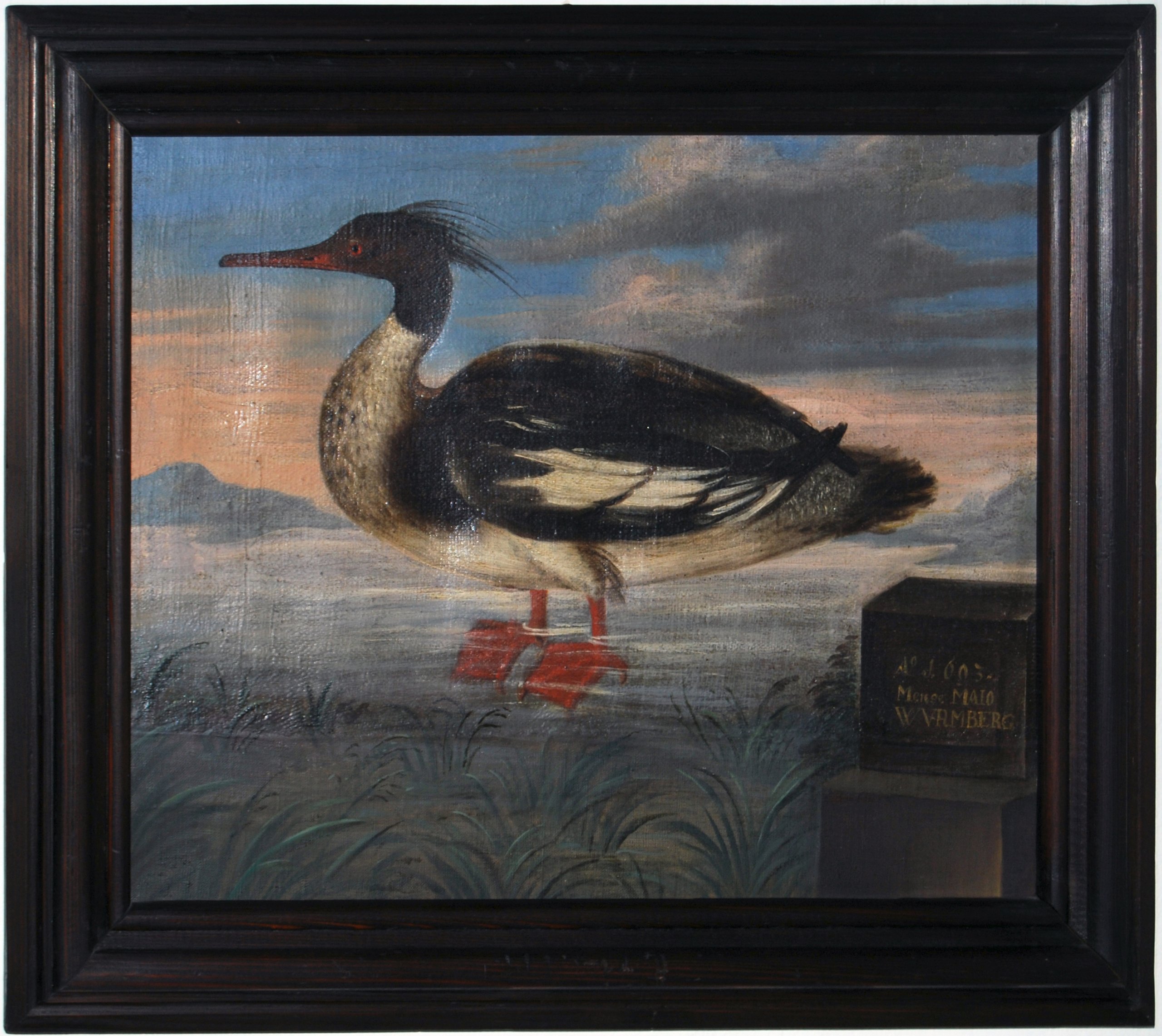
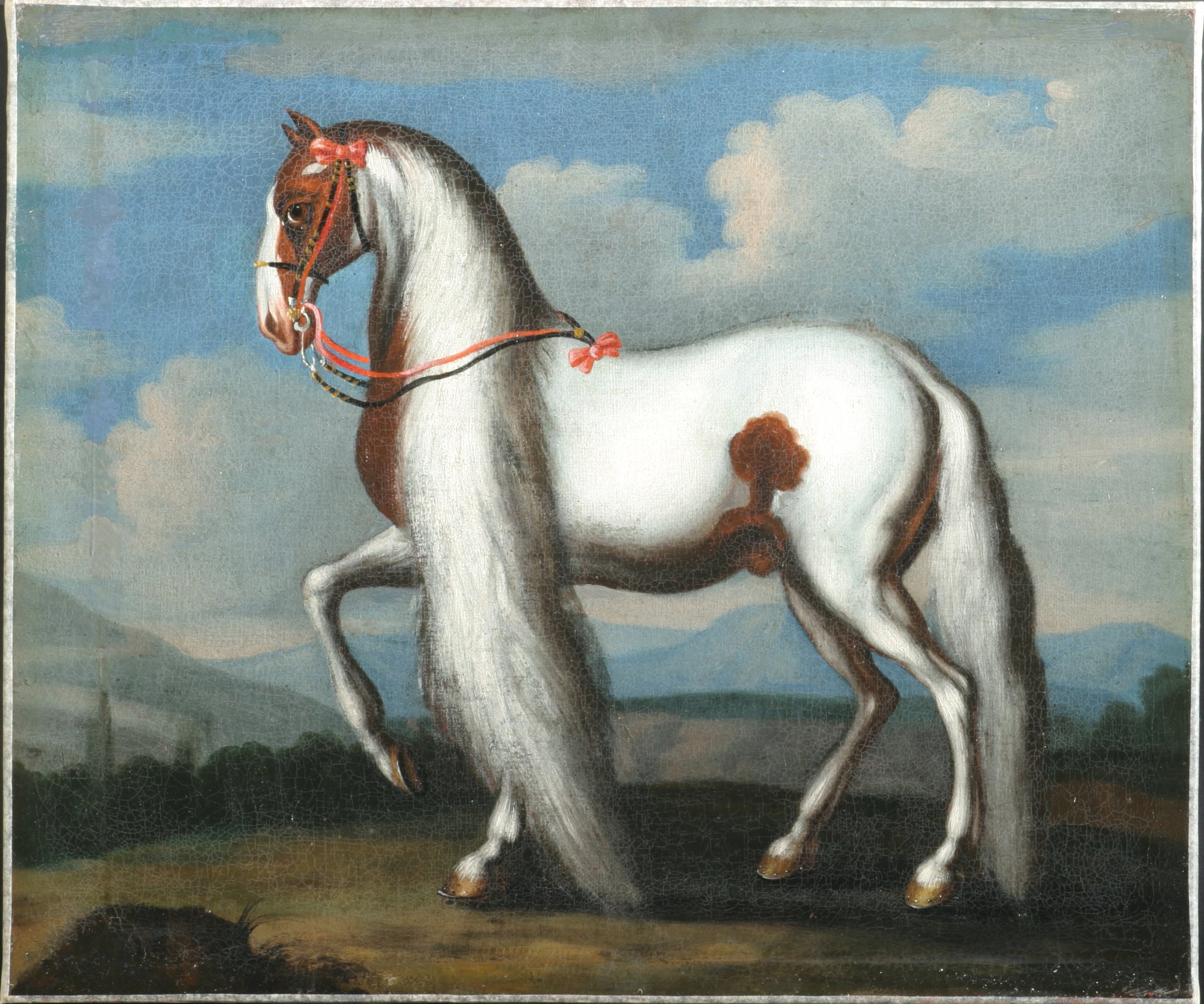
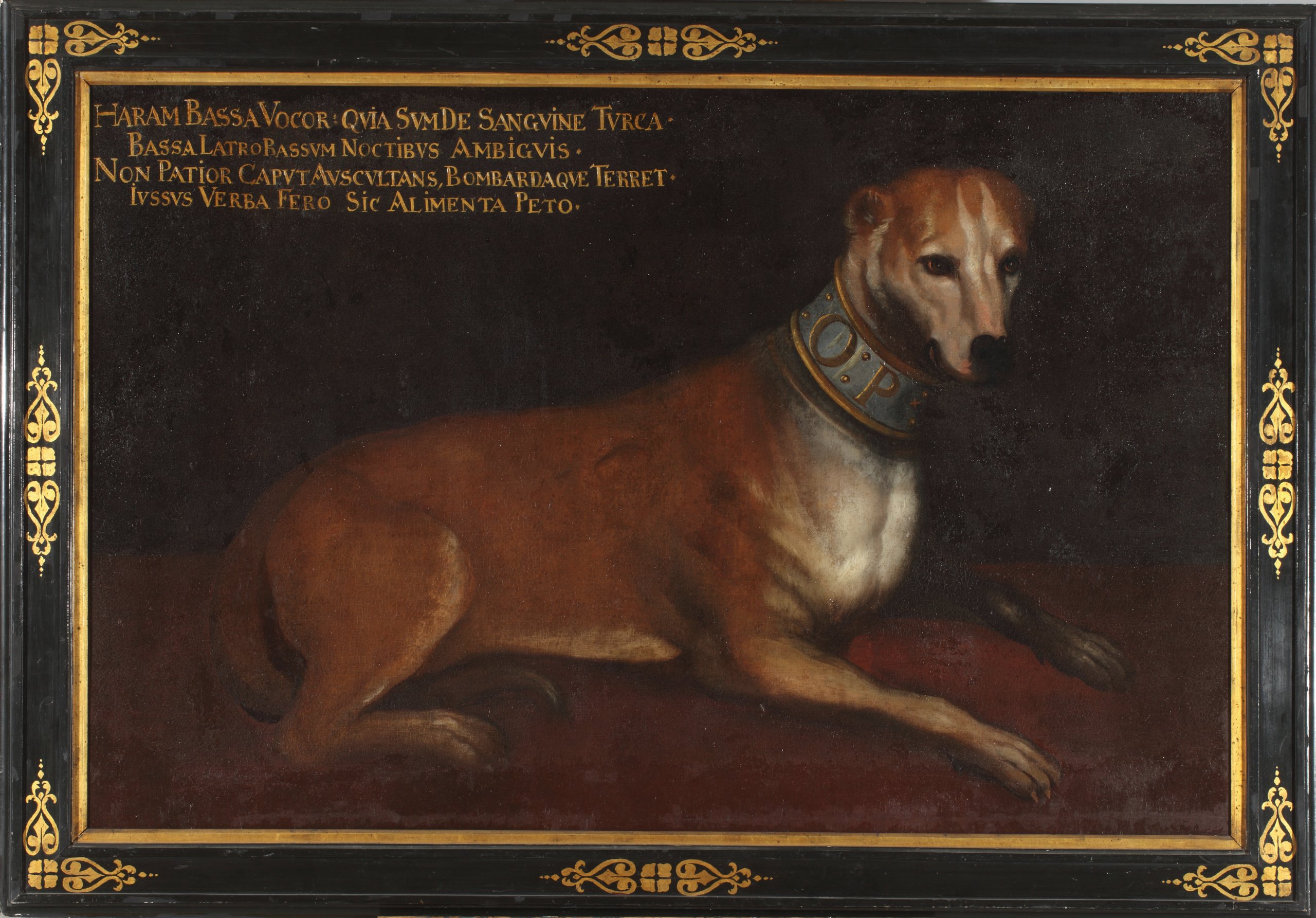
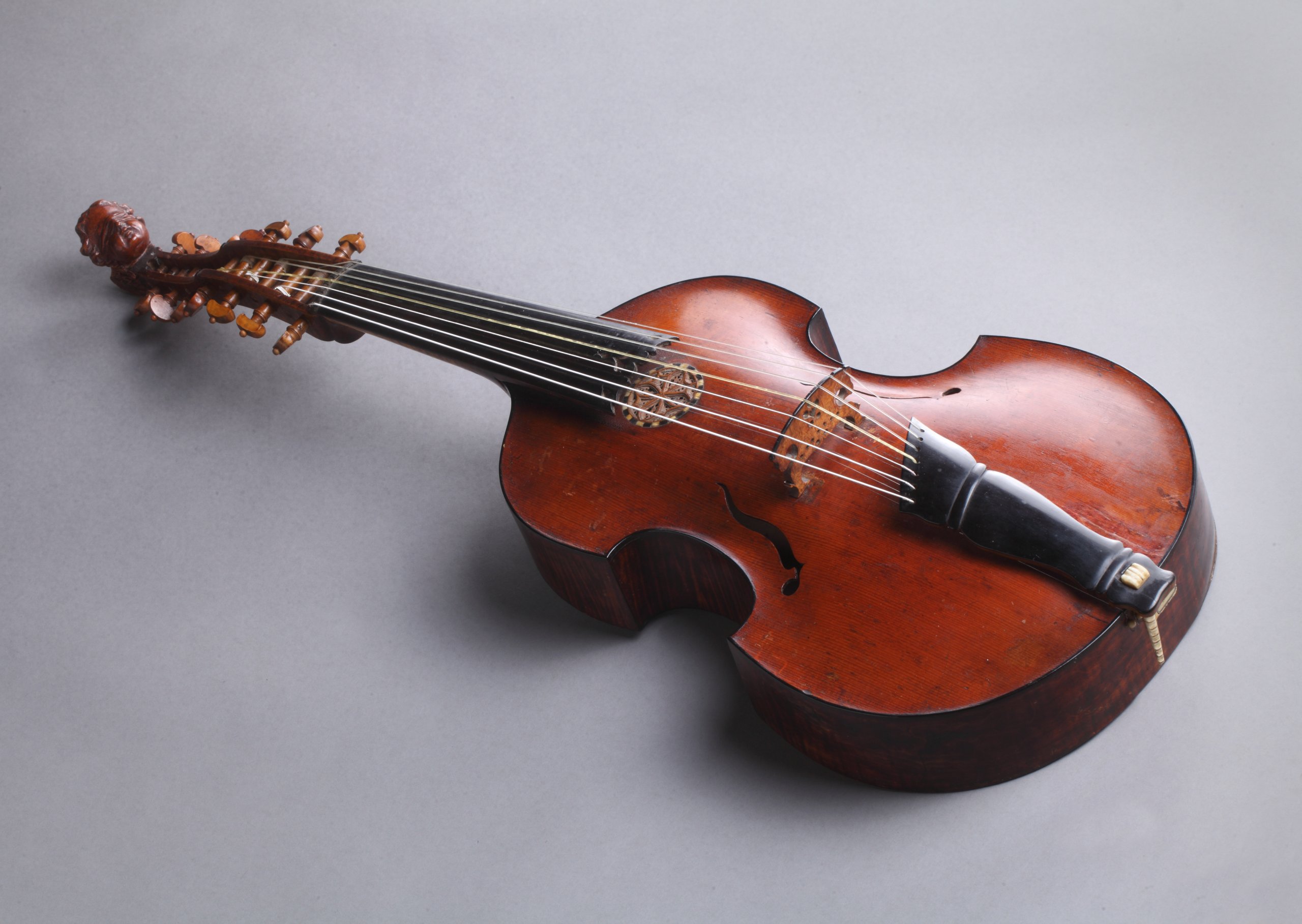
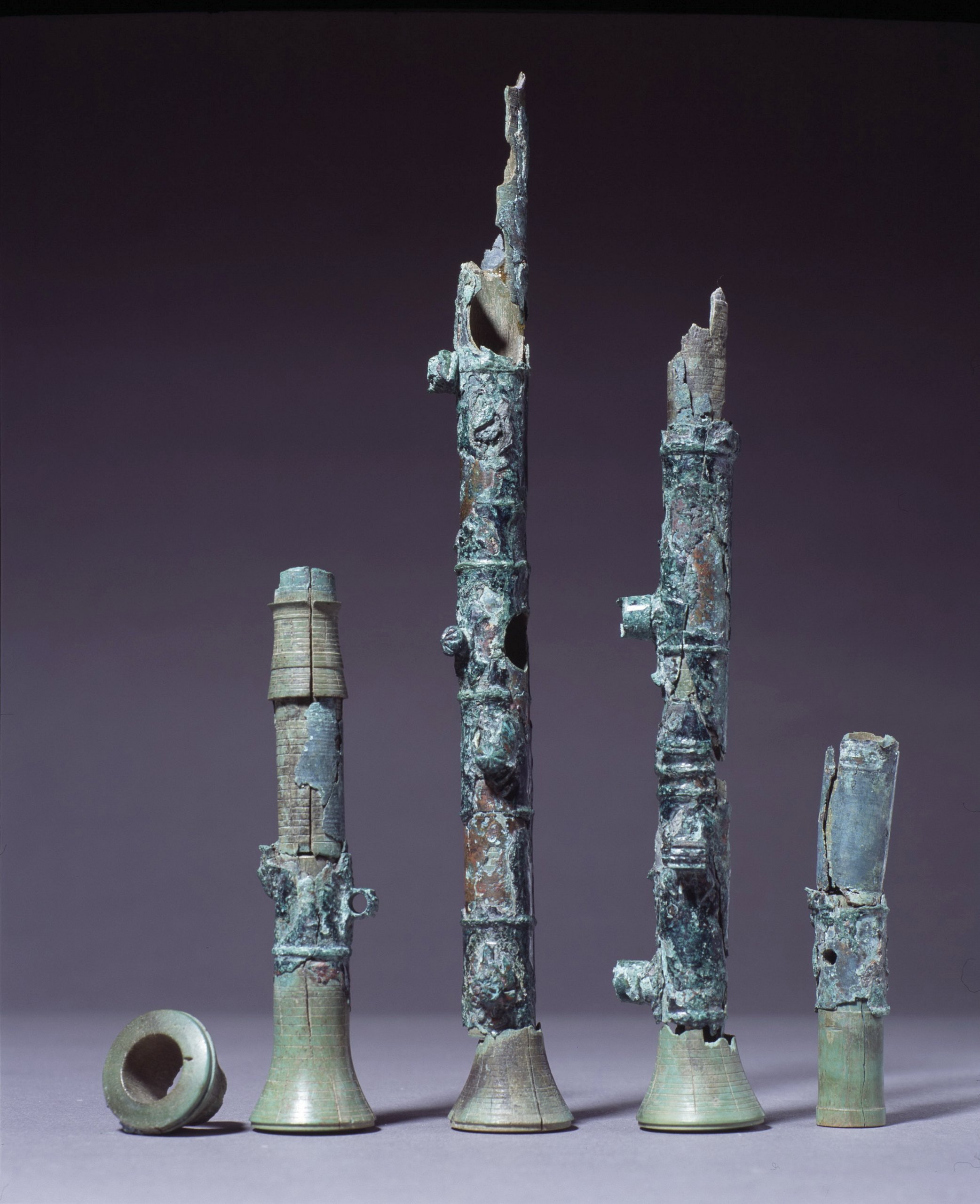
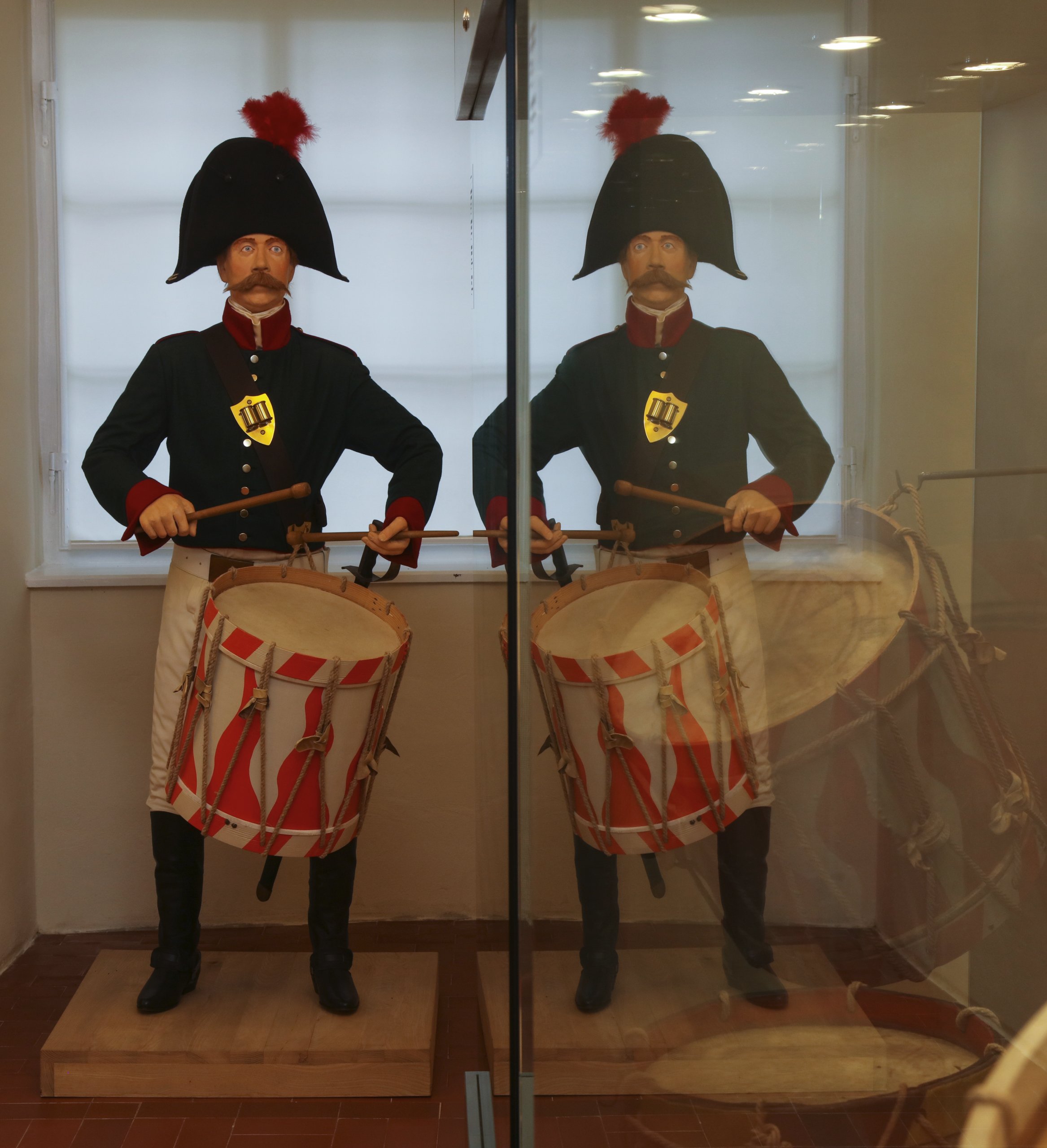
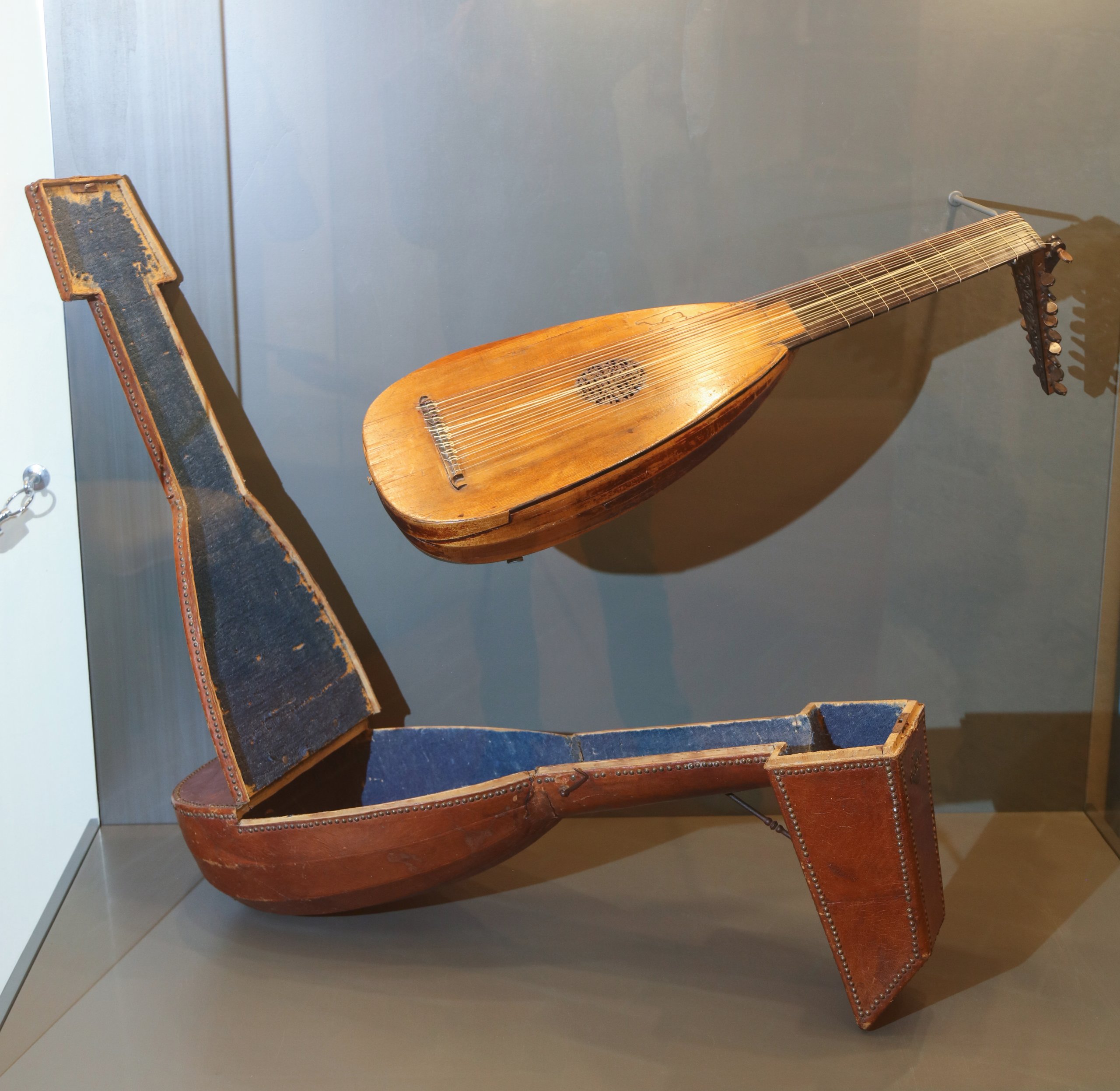
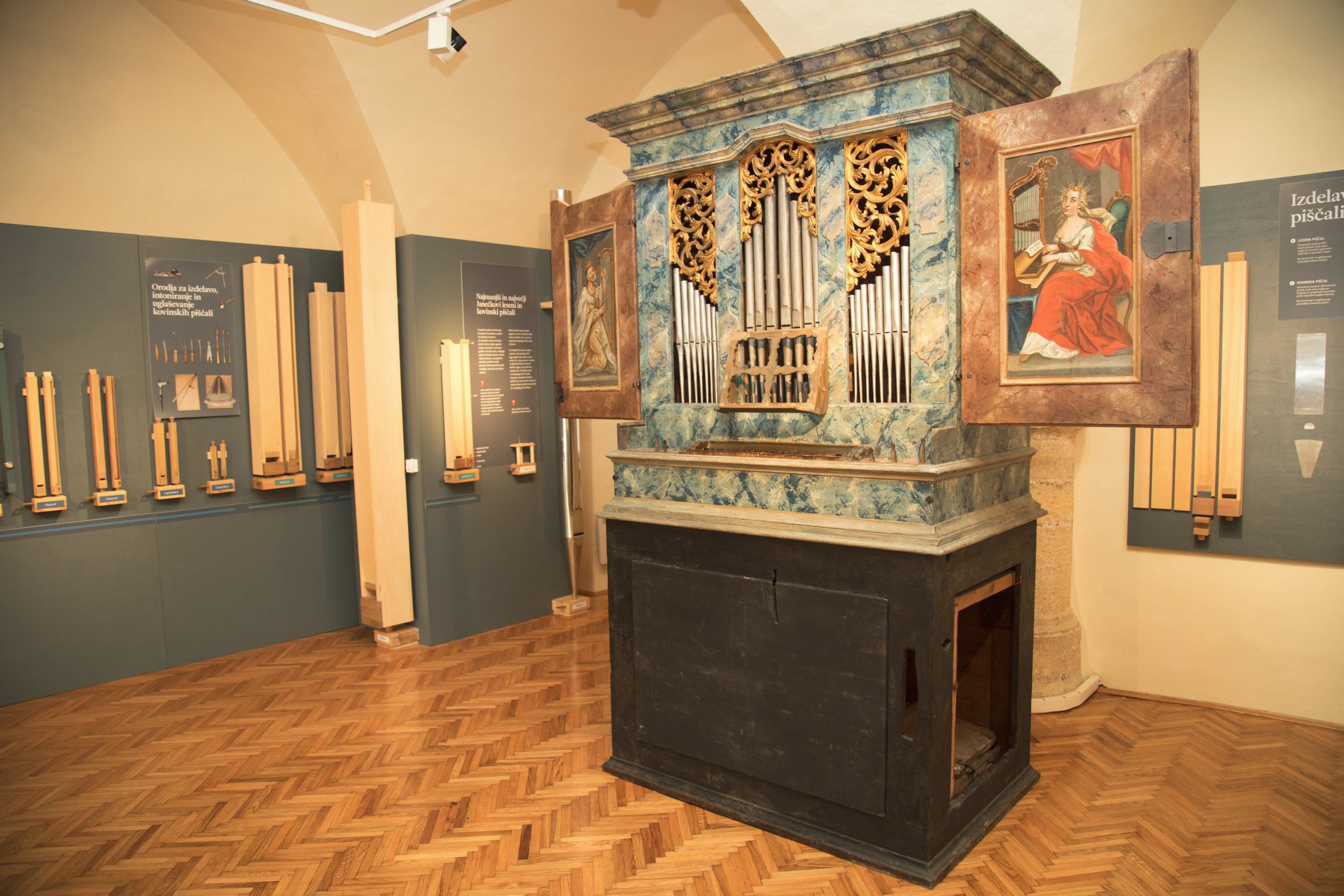
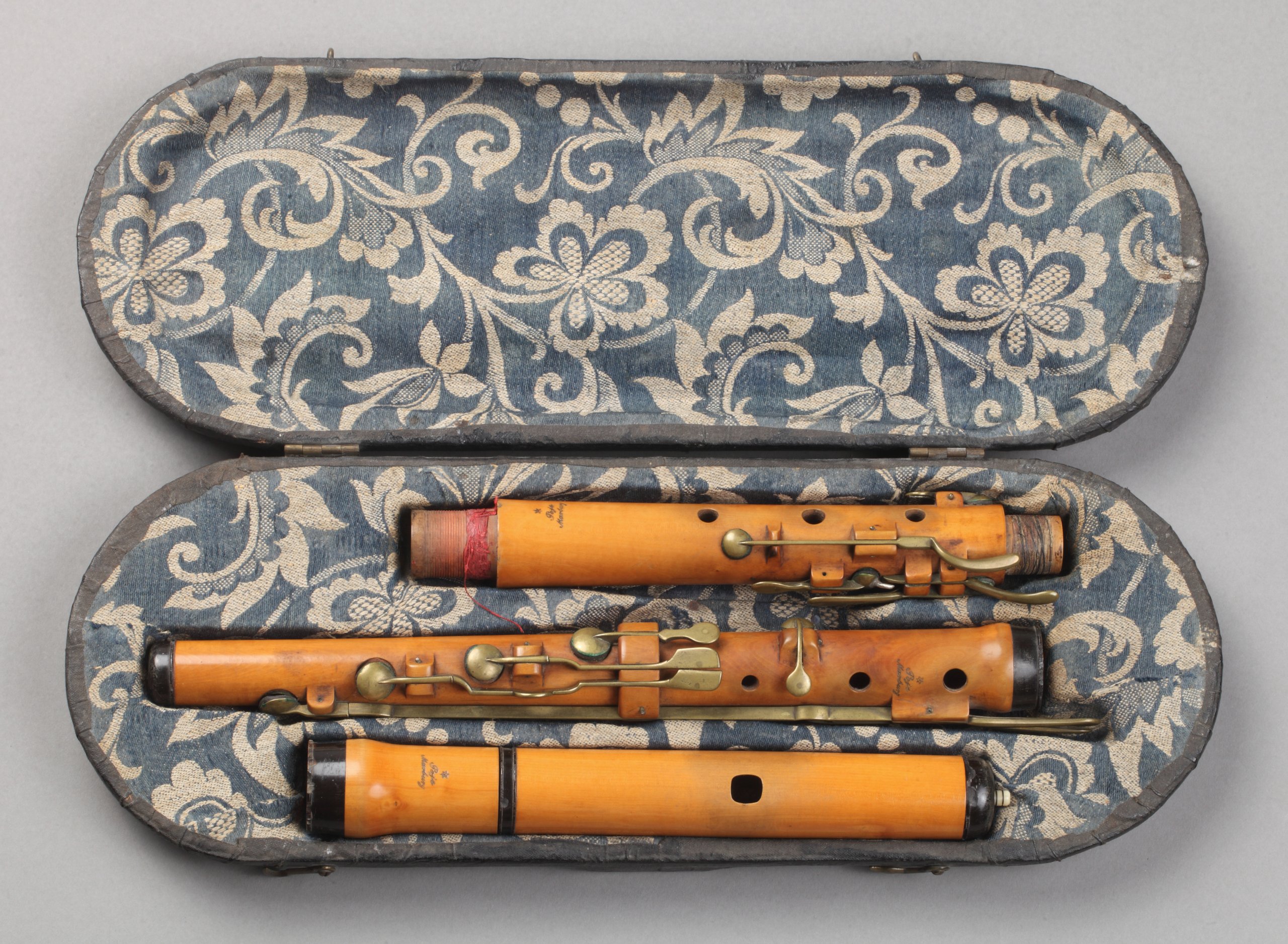
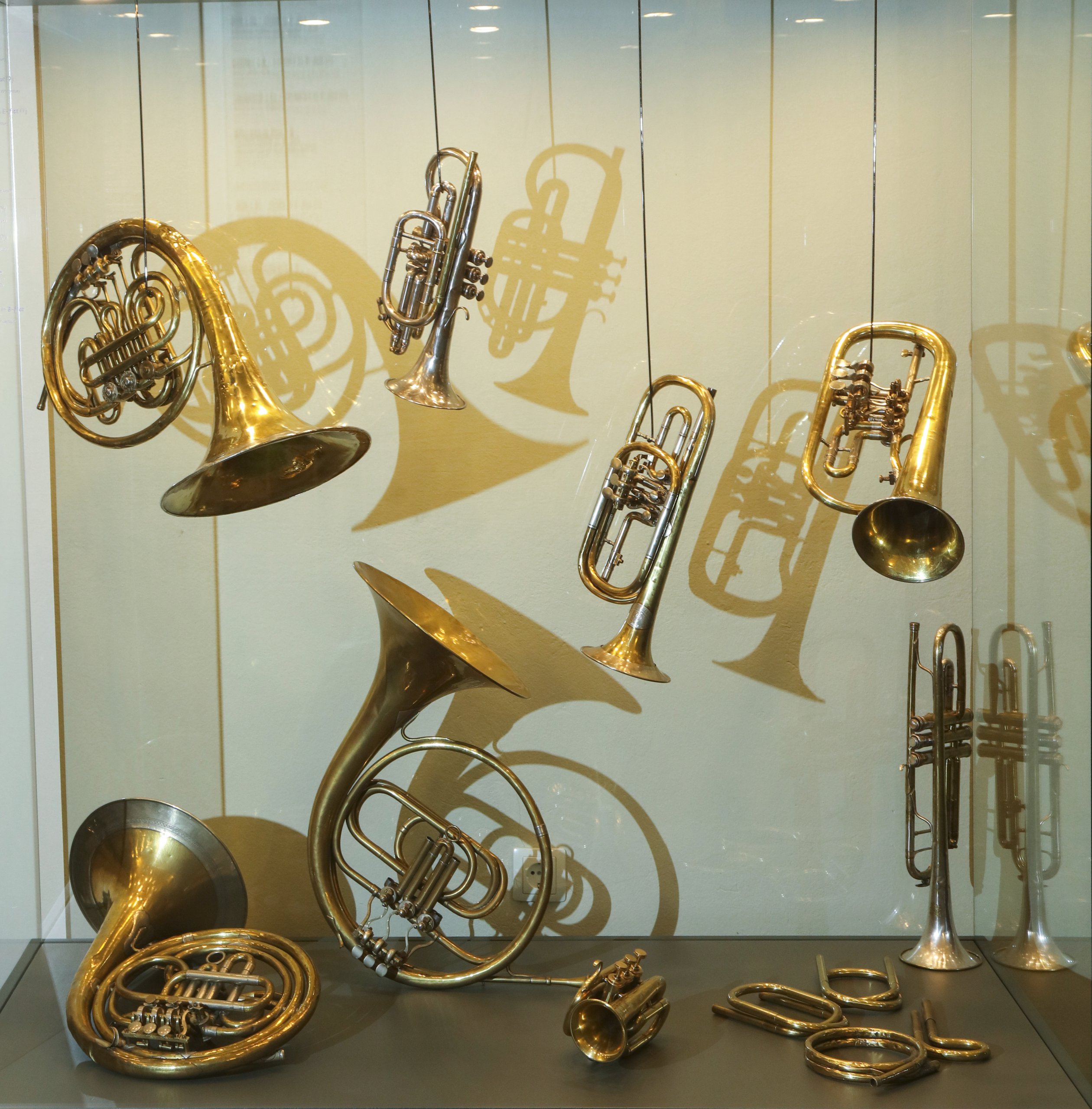
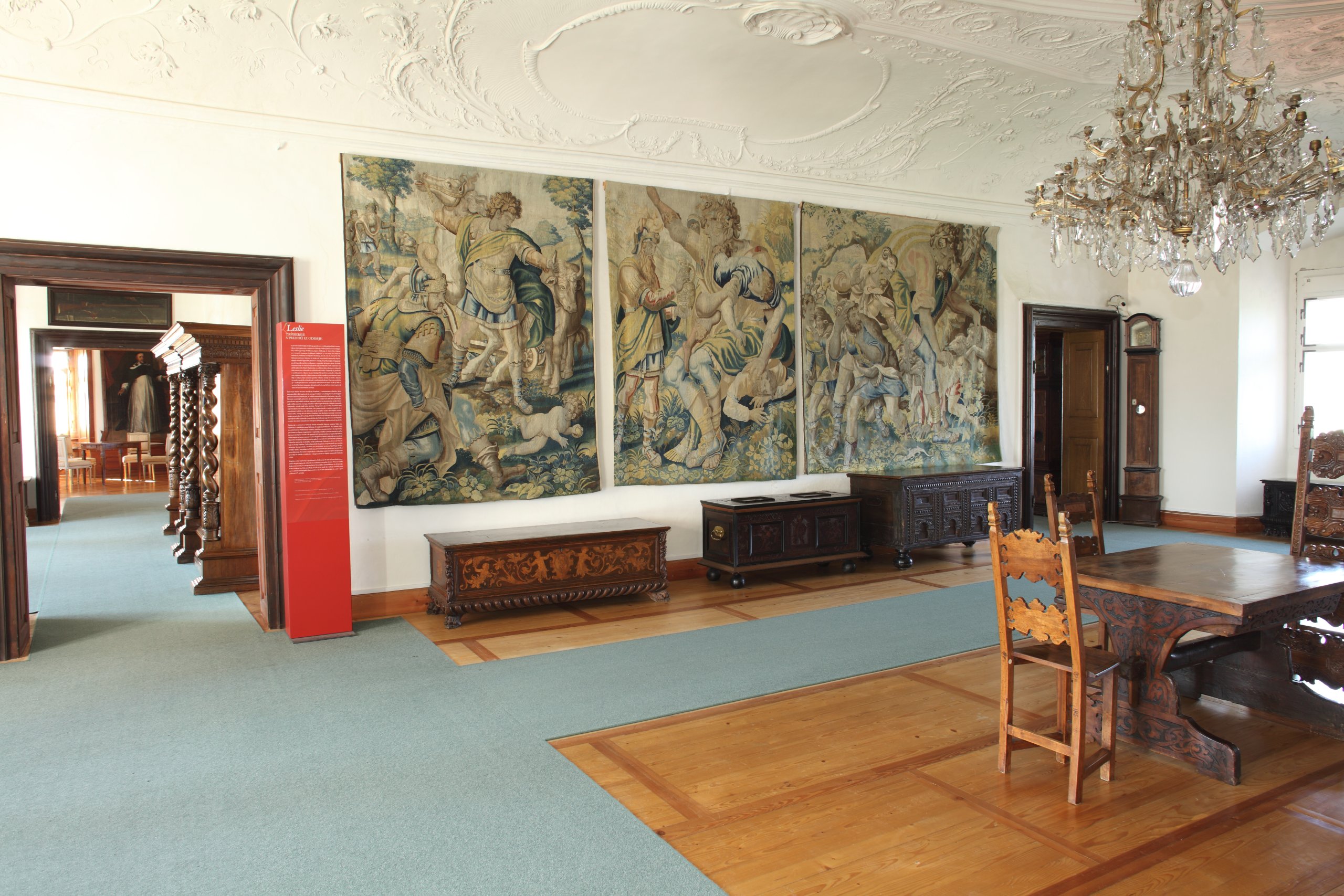
Today, it is home to the collections and exhibitions of the Ptuj Ormož Regional Museum: luxuriously furnished castle rooms, a splendid armoury, a gallery of Gothic and Baroque art, collections of reliquaries and paintings on glass, the exhibition Ptuj Castle throughout the Centuries, traditional carnival costumes of the Ptuj area, and the largest collection of historical musical instruments in Slovenia.
The owner of Ptuj Castle, which was declared a cultural monument of national importance in 1999, is the Ministry of Culture of the Republic of Slovenia.
Ptuj Castle hill, which offers views for miles around, was inhabited as early as the Early Stone Age, from the 5th millennium BC onwards.
In ancient Poetovio it was the site of a fortress and a sanctuary, and in the early Middle Ages it was the site of a Slavic burial ground.
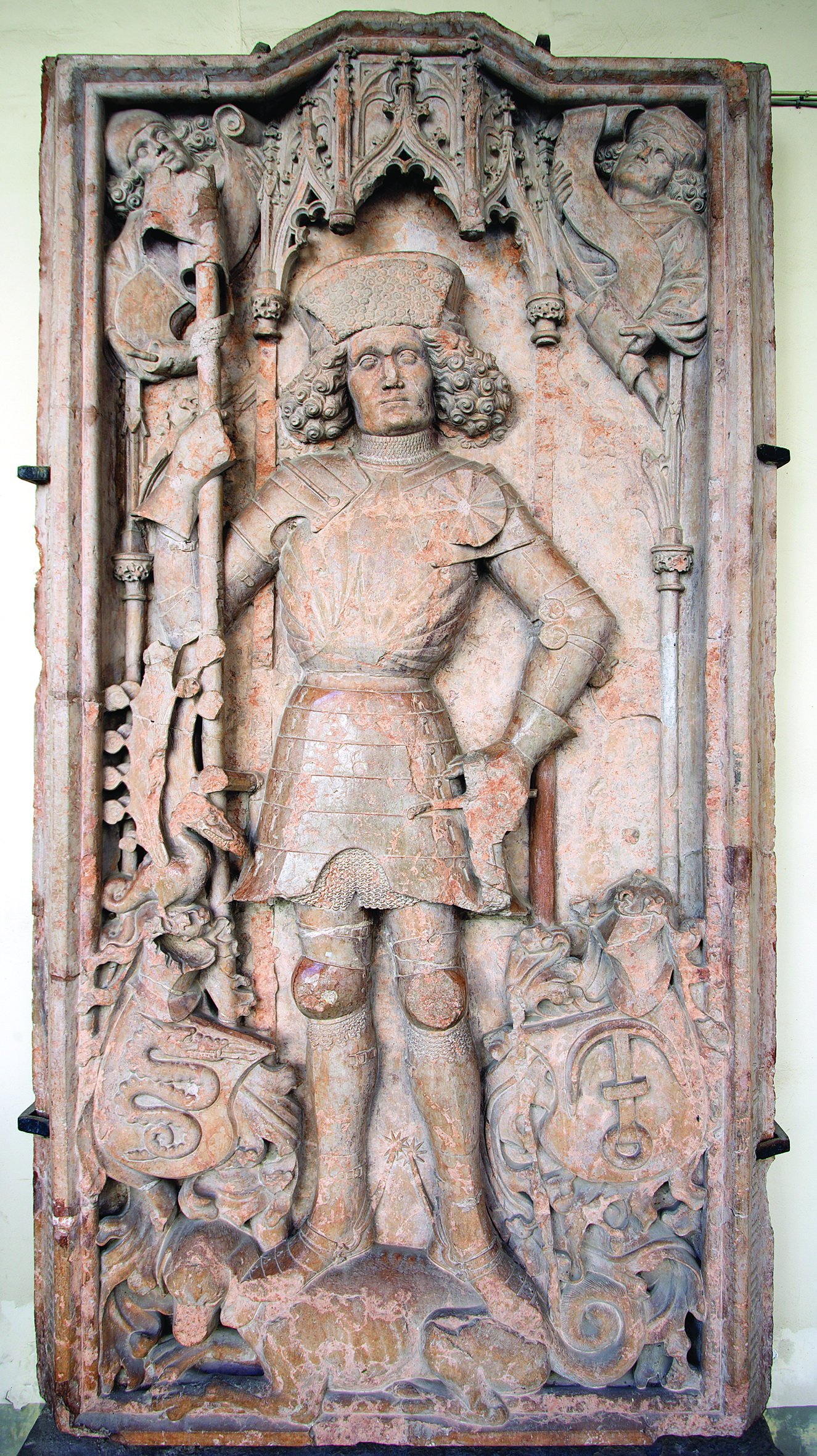
The origins of the medieval fortress date back to the 11th century, when the castle and the town were the property of the Archdiocese of Salzburg. In 1132, the Archbishops granted the castle as a fief to the Lords of Ptuj, who, with short interruptions, administered the castle and town for more than three hundred years.
The fortress was laid out in three parts. It had residential and utility buildings on the top of the hill and military buildings on the western and eastern plains, of which only the western tower has survived. In the 12th century, a group of structures with a palatial building and an imposing defensive tower already stood on the central part of the hill. In the 14th century, the central building was given a horseshoe-shaped floor plan and was two storeys high, while the castle walls were connected to the town walls. The castle’s appearance was radically altered in the 16th century by Italian builders who fortified the town and castle against Turkish raids.
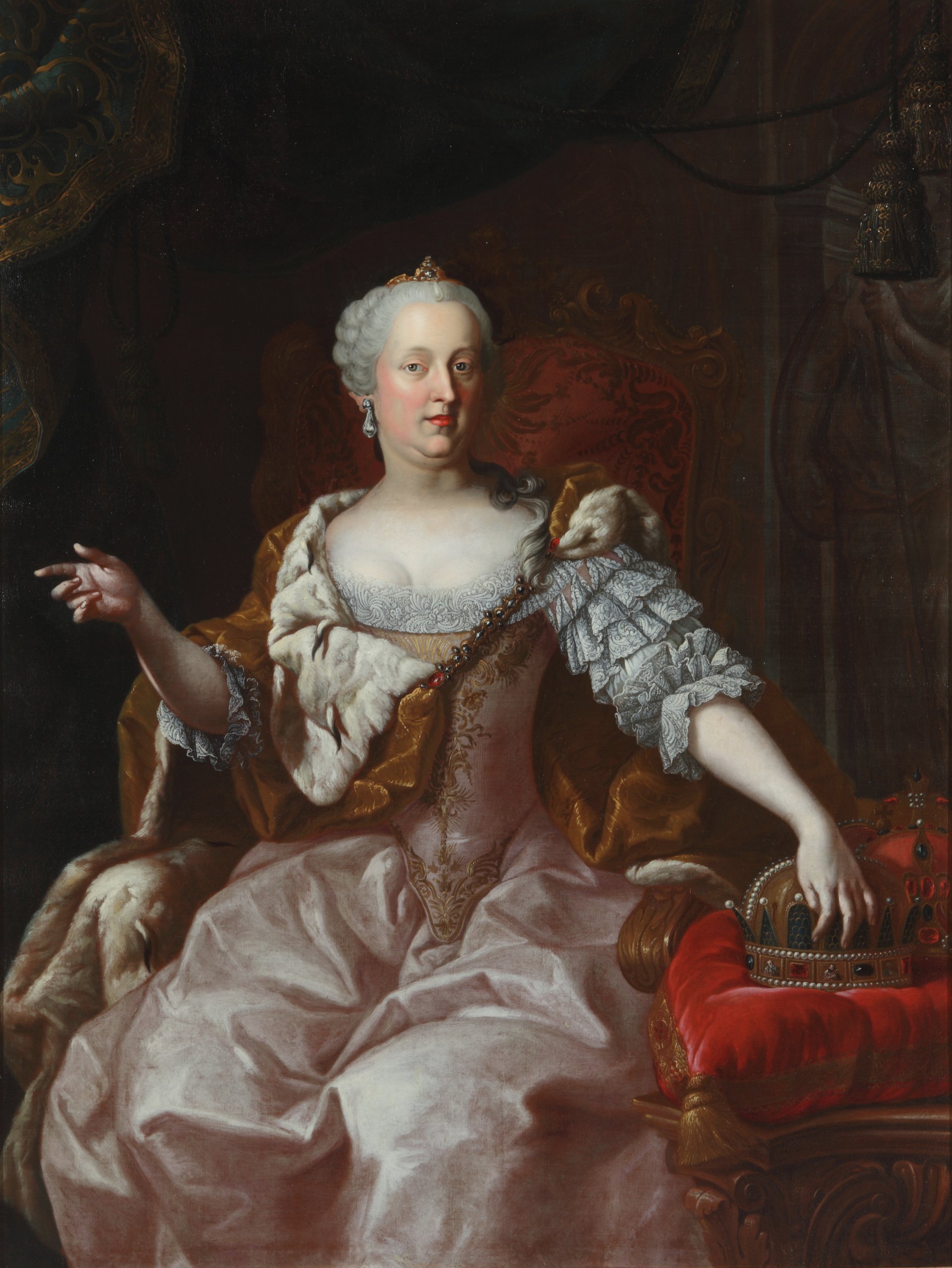
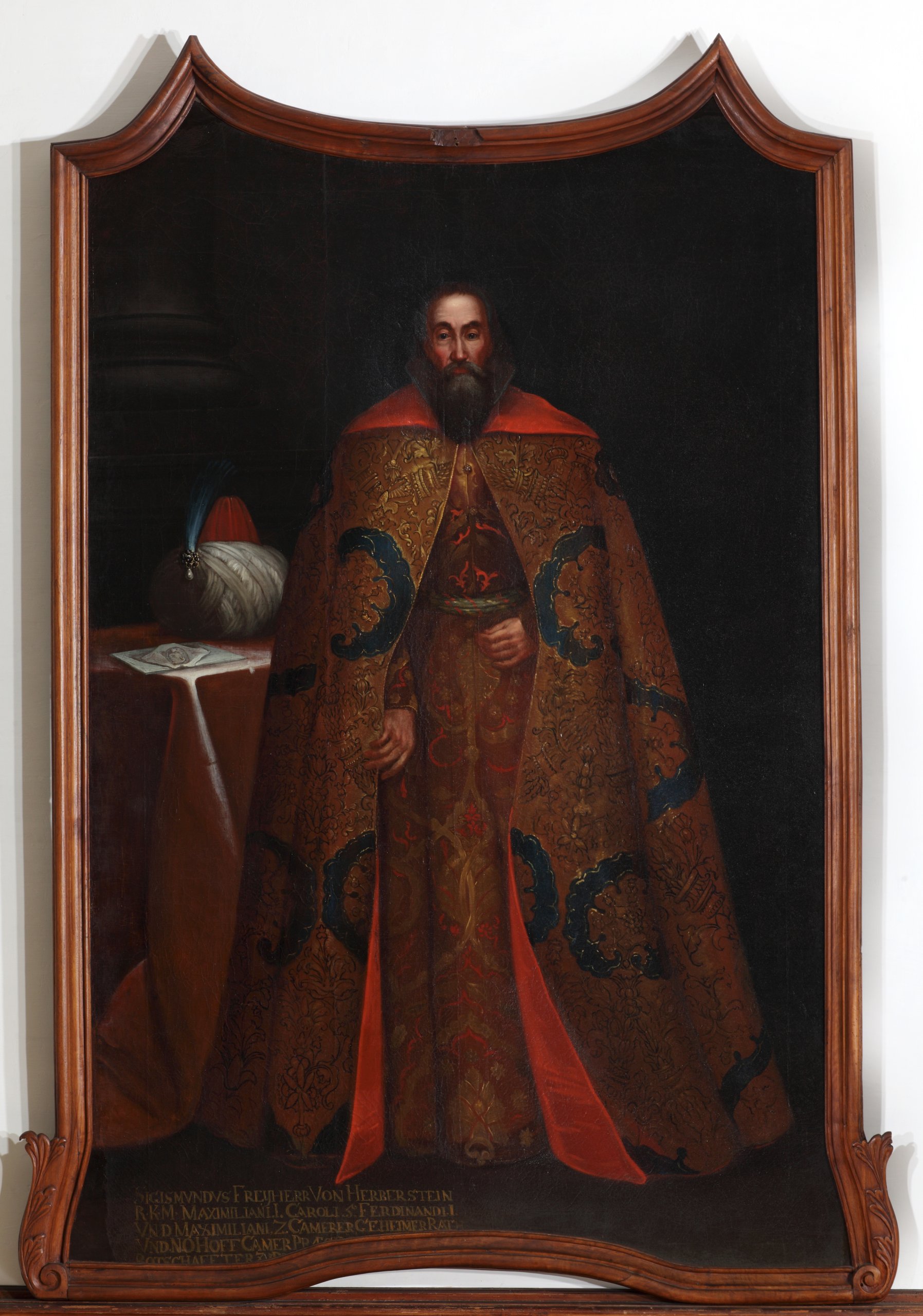
Between 1656 and 1802, the castle was in the hands of the Scottish noble family of Leslie. This was a splendid period for the building, as the Leslies transformed it into a Baroque residence. After the Turkish threat ended in the 17th century, the defensive tower was demolished, the castle was expanded, and a stable and tower were built on the eastern plain of the hill. In the 18th century, an administration building was built along the southern wall, a granary on the western plain, and a grange below it.
The last owners, the Counts of Herberstein, had possession of the castle from 1873 to 1945, when it was nationalised and incorporated into the Ptuj Museum.
Museum
Ptuj Regional Museum is a museum with collections and sections for archaeology, history, cultural history, ethnology, restoration workshops and other services. It was founded in 1893, when the Museum Society in Ptuj was established, and archaeological finds were exhibited in the then lower grammar school.
In 1895 Professor Franz Ferk donated numerous artefacts of various types to the museum, which was then named after the donor – Ferk’s Municipal Museum. Over the years, the exhibition area became too small, so the museum moved to the former Dominican monastery in 1928.
After 1945 the castle complex was placed under the management of the museum, and so it acquired most of its present facilities. The museum continued to extend the geographical scope of its activities, and so in 1963 it was renamed, Ptuj Regional Museum. At present the museum covers the wider area of Ptuj and Ormož, famous for its rich prehistoric and ancient sites (Roman Poetovio), the period of the migrations of peoples, medieval and modern monuments, which bear witness to the cultural and economic importance of Ptuj and its surroundings, as well as of rich folklore traditions.
Castle Wedding
Couples can get married in the Festival Hall of Ptuj Castle every Saturday from 2:00 to 5:00pm, excluding public holidays. Wedding ceremonies in the Festival Hall must be registered no later than 45 days before the desired date.
We use cookies to make the website work. With your consent, we also use additional cookies for statistics and external media. You can change your selection at any time.
Necessary cookies
Always active
These cookies are required for the website to work properly and for basic functions to be available. They cannot be disabled.
Preferences
The technical storage or access is necessary for the legitimate purpose of storing preferences that are not requested by the subscriber or user.
Statistics
The technical storage or access that is used exclusively for statistical purposes.These cookies help us understand how visitors use our website so we can improve its content and functionality.
External media / Marketing
These cookies enable the display of external content, such as Facebook feeds. Data may be transferred to external providers.